Linnea Eberhart
Considering how many articles extol the virtues and popularity of crowdsourcing cultural heritage, it was surprisingly difficult to find an active project to contribute to. Many of the projects cited as examples in these same articles were concluded even before the articles were published and the sites have since been archived. For example, I was intrigued by the New York Public Library’s invitation to “kill time, make history,” only to find out their crowdsourced “Collection Labs” were shelved in 2016! For posterity’s sake, you can check out some of their projects here although not all the links are active anymore which makes you wonder where all that crowdsourced data went?
Regardless, my search continued and another article introduced me to the National Archives and Records Administration (NARA) Citizen Archives project. Like other crowdsourcing initiatives, NARA invites the public to transcribe records to enhance access and discoverability. And like other initiatives, it doesn’t do much to promote this invitation. It has a TON of social media accounts – even multiple Tumblr accounts! – but none dedicated specifically to the Citizen Archives project. Instead, participation in the project seems to be very much one of those IYKYK situations. Which may be a good thing since it also does very little to vet or otherwise regulate user contributions.
Literally all you have to do to be a NARA Citizen Archivist is create an account and link it to an email address. That’s it. No training, no vetting, no other personal information, not even a YouTube “how-to” video – just sign up and have at! While I appreciate that NARA isn’t gatekeeping the joys of transcription, the more cynical side of me has some concerns especially since NARA candidly admits they use a “Wikipedia model” for contributions and that they do not review citizen contributed transcriptions. Which is all well and good to get as many contributions as possible but it does leave a lot of room for errors and potentially more damaging contributions. In a digital age where cyber attacks on government infrastructure are common, it’s not that far-fetched to see how this system is vulnerable to contributions of false information, damaging messages, deleted data, and other risks. The only thing really preventing any of this from happening is that it’s a relatively niche government agency and the only real loss would be the transcriptions, not the records themselves. But, as NARA itself notes, “records help us claim our rights and entitlements, hold our elected officials accountable for their actions, and document our history as a nation” and transcriptions make those records accessible and discoverable – so what do we do if we that access is compromised?
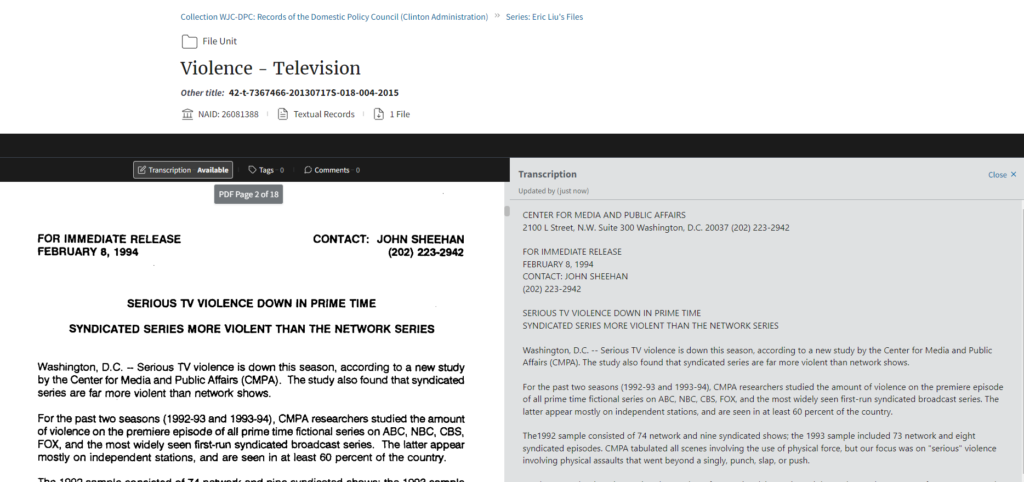
Already two big questions on the longevity and authenticity of crowdsourcing and I haven’t even started contributing yet! And honestly that might be the easiest part of this process. Although NARA doesn’t provide a ton of guidance, the site is fairly user intuitive and you can jump right in to transcription. To start with there are “topical missions” which have been singled out for contribution or you can search the catalog as a whole for records. Through trial and error I figured out that the filter “available to access online” was critical to this process as there are a surprising number of records with data entries that have not actually been digitized yet. I just wish there was a similar filter for whether a record has been transcribed! For that, you just have to open each record individually and check if it has been transcribed or not. There is an option to edit transcriptions as well but from my quick review most of the transcriptions seemed pretty accurate.
Once I found an un-transcribed record, I hit the “transcribe” button and started typing. I will say, having two monitors is definitely a requirement for this kind of work in my opinion. Between that and my middle school typing classes, I hit the ground running and got through my first page pretty quickly. NARA’s transcription tips note that the goal of transcription is enhancing searchability so I prioritized content over format like bold/italicized text. Beyond that, NARA basically just advises contributors to “do their best” and I was thinking my best was pretty good – until I got to the second page. I will admit to being stymied by how to best transcribe the chart shown so I made the executive decision to flag it for later.
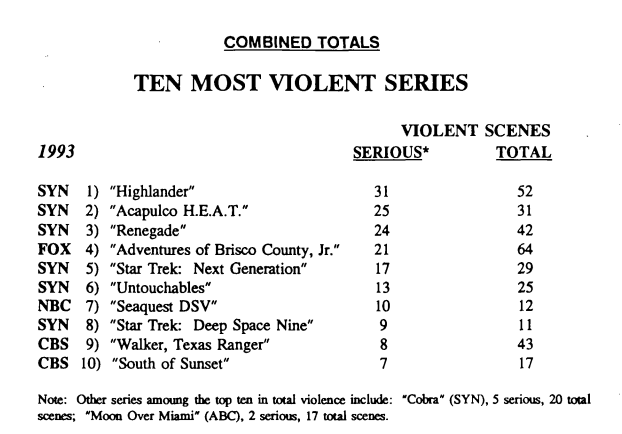
After publishing my transcribed page though I realized I really would need to continue it later – apparently no matter how much of a record you transcribe, the system automatically updates the record’s status to “transcription available”! Since I can’t in good conscience leave just one page transcribed, I guess I’ll be back to finish the rest and who knows, maybe a couple others as well!

Leave a Reply
You must be logged in to post a comment.