Silly Sentimental Objects
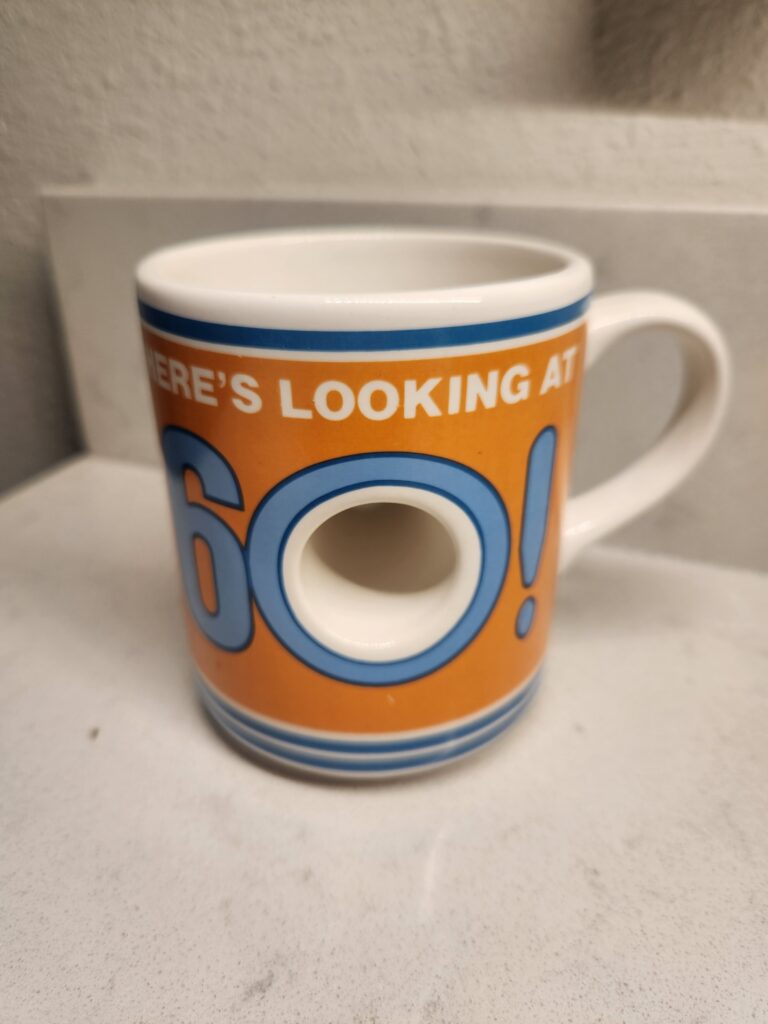
This collection of coffee mugs is not one of rare collectibles with a high monetary value, but it has some sentimental value to me because of the associations of my family members who used these mugs. Two were gifts from me to my children. Two others were formerly owned by my family members – a grandmother and my parents. One was a gift to me for speaking to the members of the St. Augustine “Ancient City Chapter” of the Military Officers Association. The oldest mug, pictured below, is almost 50 years old, and though it is a threat to my health because of the lead and possibly arsenic added to create a durable “super ceramic,” I still love it. It’s my favorite of the collection because of its heft and durability. Side note, if you have any of these old Lenox Temper-ware dishes, don’t use them with your children!
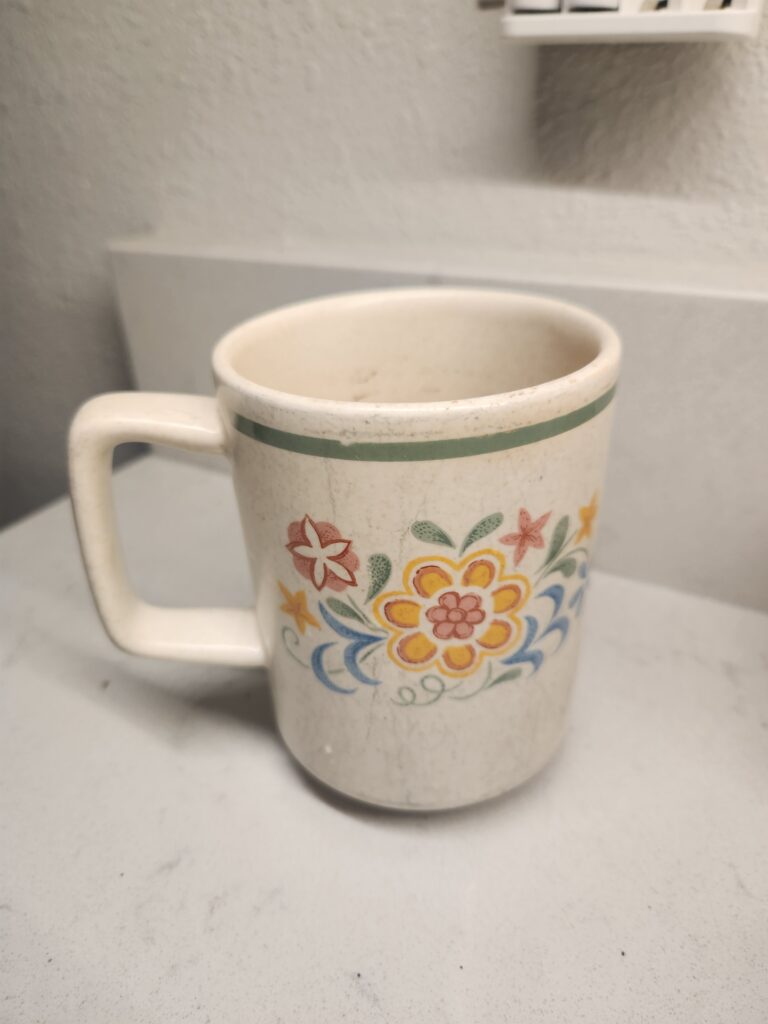
I have worked with museum collections in the past and realize the value of adding as many details as possible to describe artifacts. When I selected Base Resource for the resource template, default categories were loaded, and I added as much information as I could for each item. However, I did not see additional fields that would be included in a typical collection management software such as descriptive fields for the location, condition, and provenance of these resources. I am sure there is a way to add more fields in Omeka to include this type of information.
The metadata fields I included were Class (all were physical objects), Title, Rights (if known), Type, Creator, Date (of manufacture if known), Description, Format, Language, Place (if obvious), Contributor, Relation (if deemed relevant), Subject, and Temporal Coverage. One item, the Bob Ross Self-Painting Mug, was associated with an individual, and I used the Library of Congress Name Authority file to specify him in the Subject field. I also selected Library of Congress Subject Headings (mugs, dishware, giftware) for inclusion in the Subject field to help make these items more discoverable.
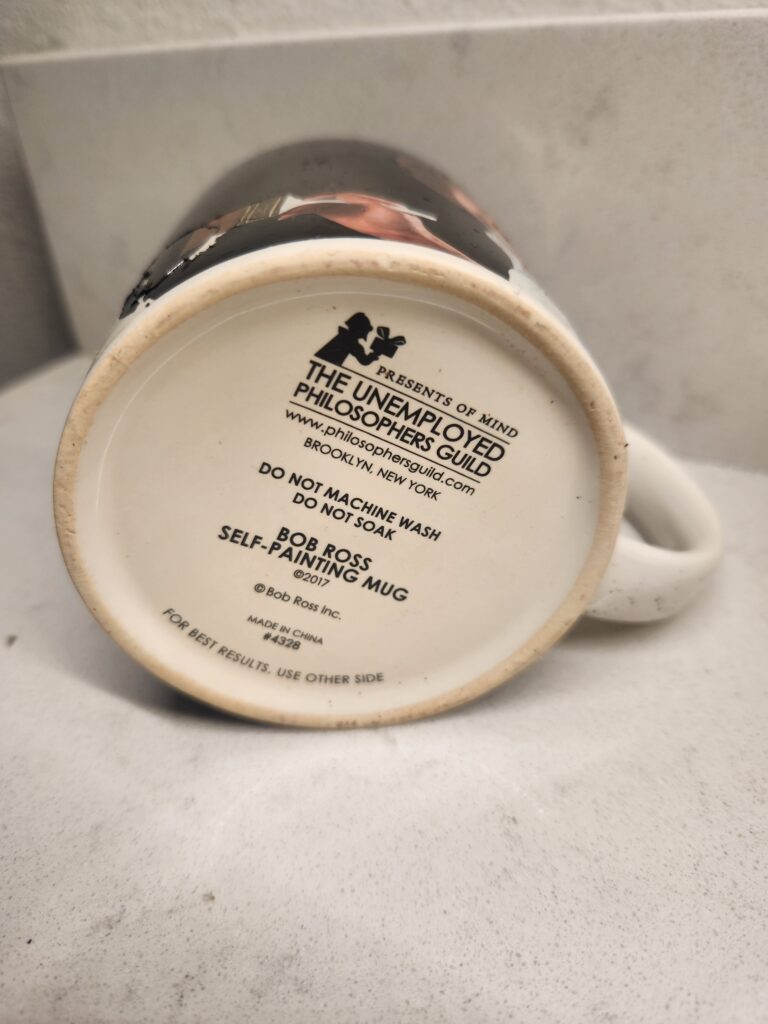
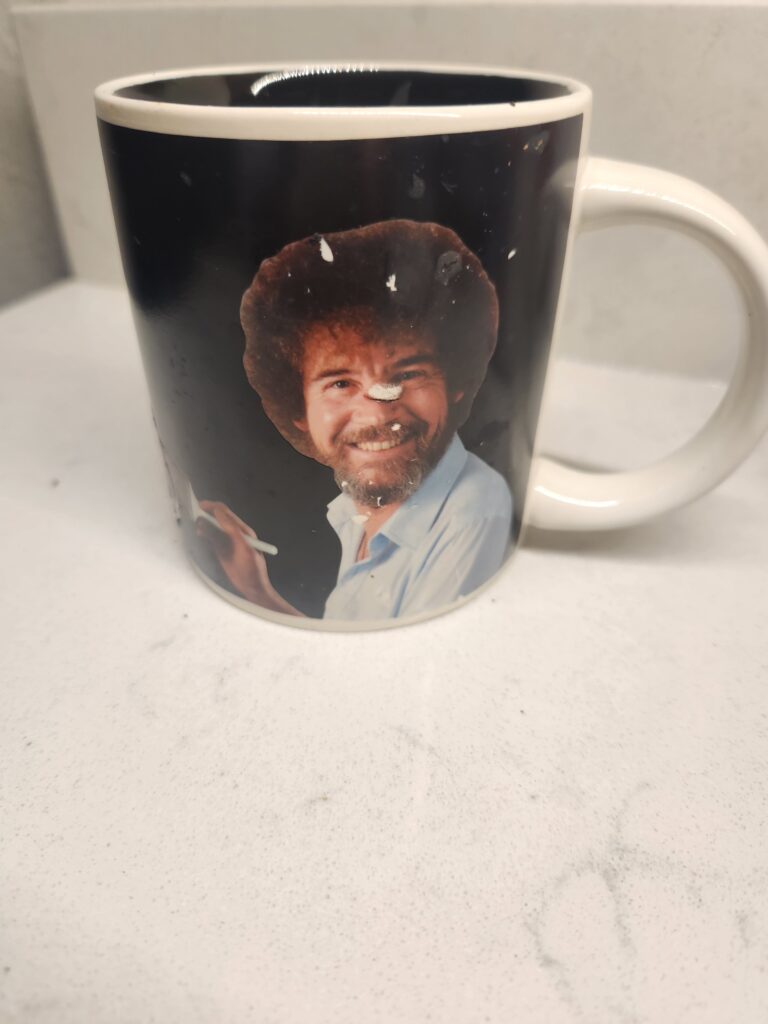
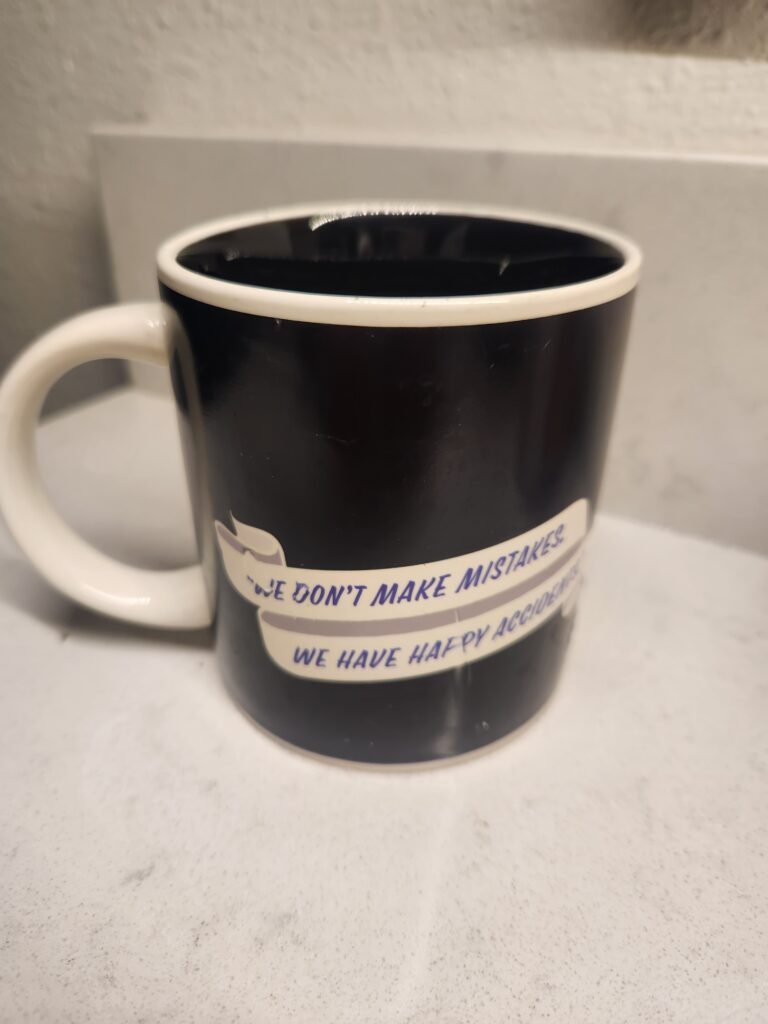
Two of the coffee mugs (Coffee Spelled Backwards and Ancient City Chapter) did not have any markings on the bottom to identify the company or place of manufacture who created them. Since I had purchased the Coffee Spelled Backwards mug, I knew how to identify the manufacturer and provided a link to this item for sale on Amazon. The other mug was certainly ordered for use by this local organization, but its manufacturer might never be identified unless a person contacted the organization to learn more about their purchase of these mugs.
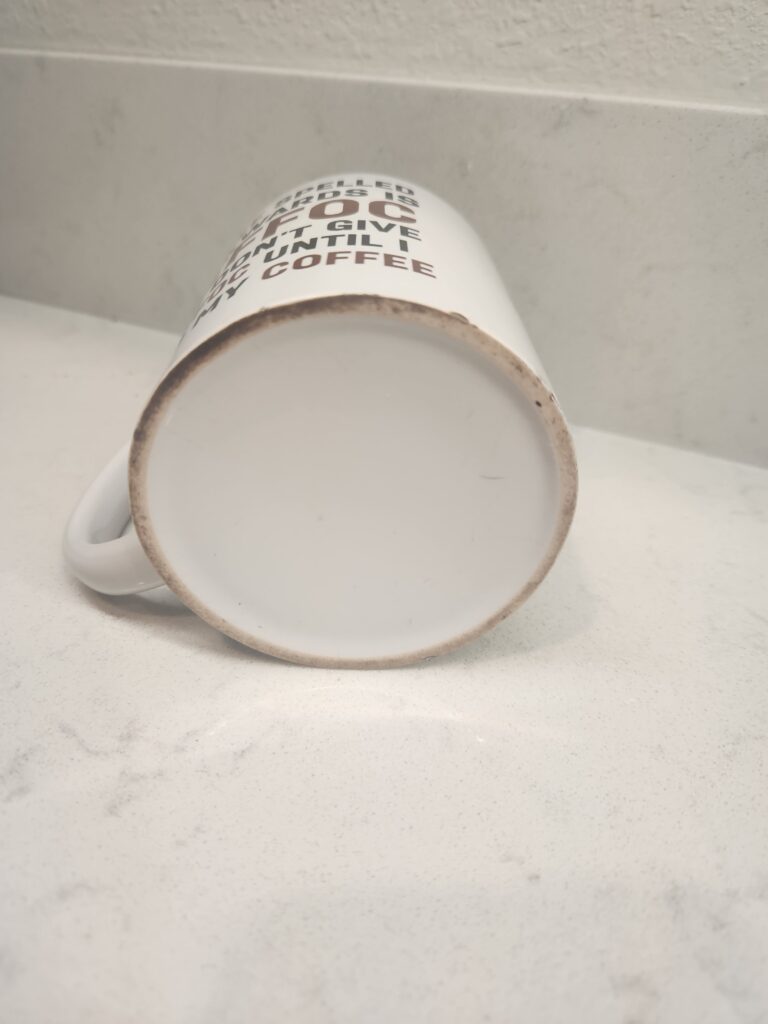
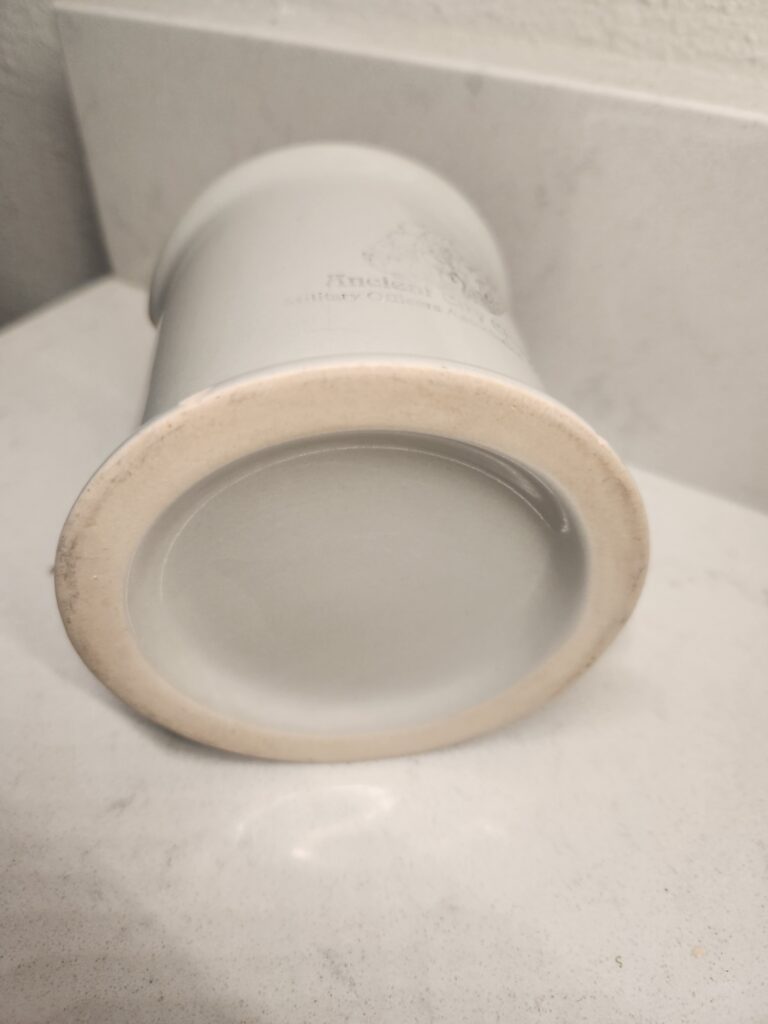
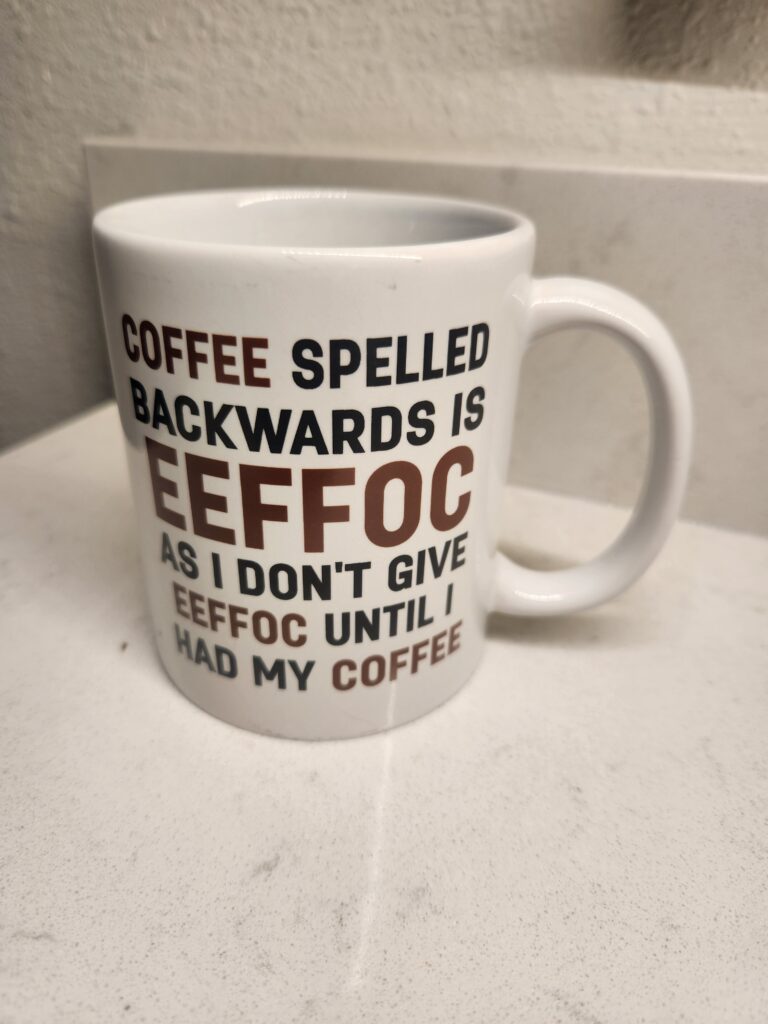
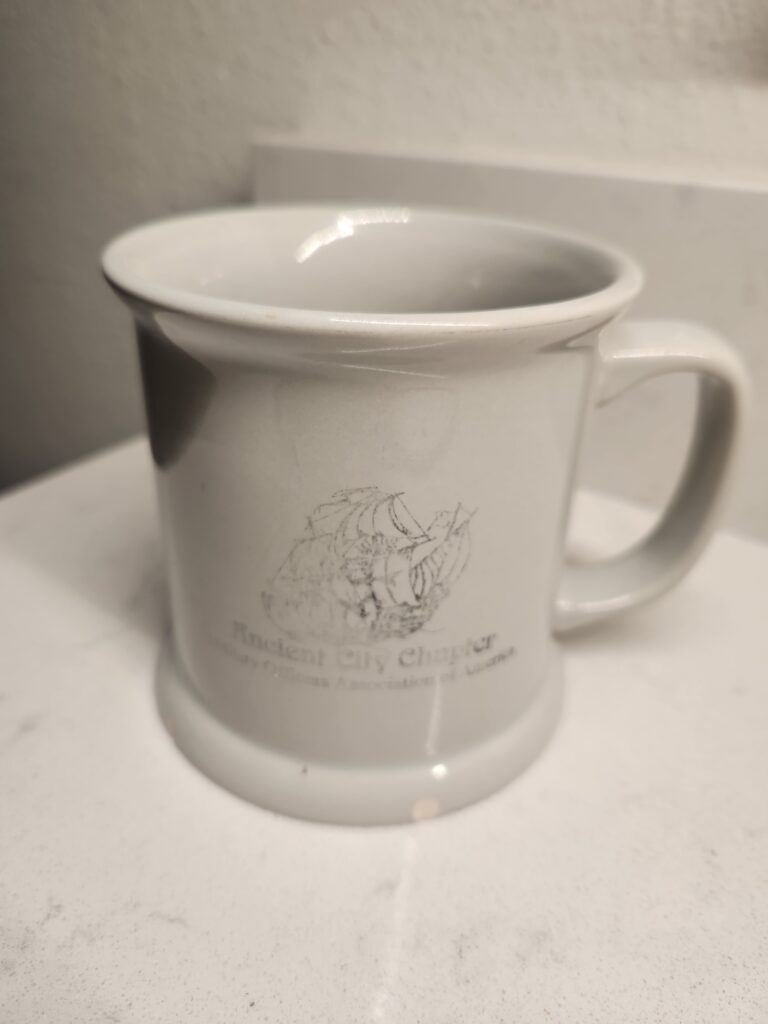
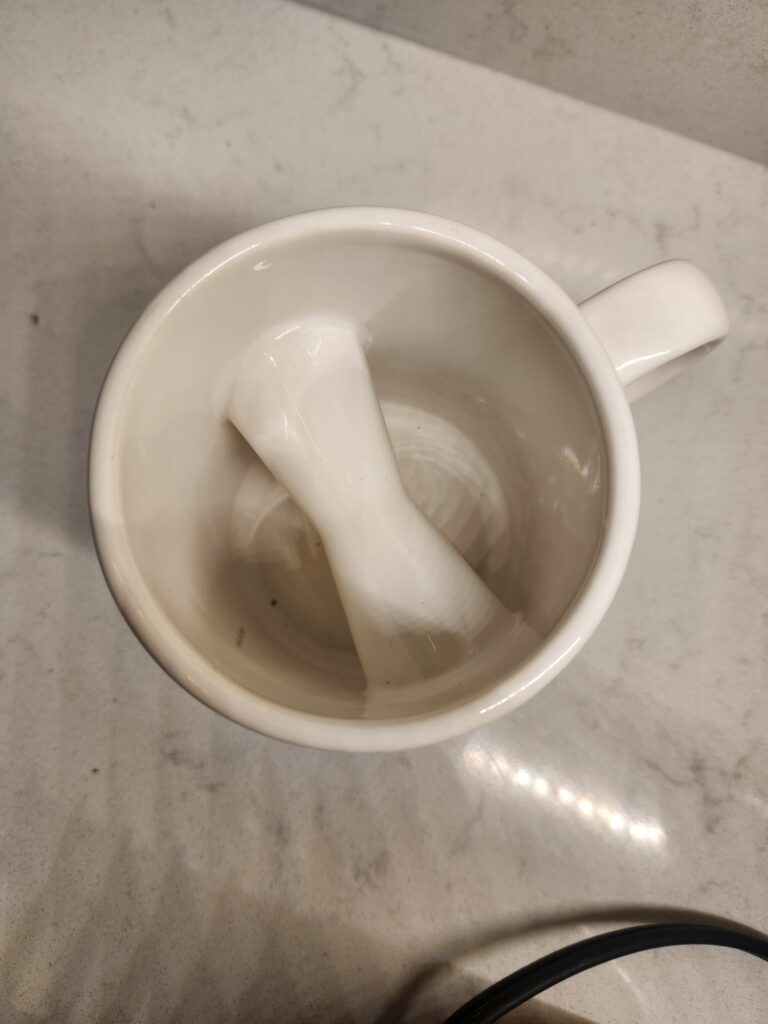
At least two of the mugs, Lenox Temper-ware and Here’s Looking at 60! could have been organized according to the manufacturer (Lenox or Papel) or as collectibles of the 1970s-1980s. Two other mugs in this collection represent giftware and/or sarcasm (Bob Ross and Coffee Spelled Backwards.) For this exercise, mugs were selected merely as a collection of items from which to drink coffee (or eat ice cream.)
Were this an online exhibit for my museum, I could see the benefit of linking to other similar online collections or blogs that might bring more exposure to my collection. But the investment in time and the challenges associated with website administration and maintenance might preclude small museums from giving much of their personnel and financial resources towards digital exhibits.
I was certainly challenged by this project. I appreciate access to online resources, but I would describe myself as technologically challenged. Perhaps someone can explain to me why only one of my items appears in my item set via the WordPress site, even though I assigned all five items to my item set in the Omeka site. Thanks in advance!

Leave a Reply
You must be logged in to post a comment.