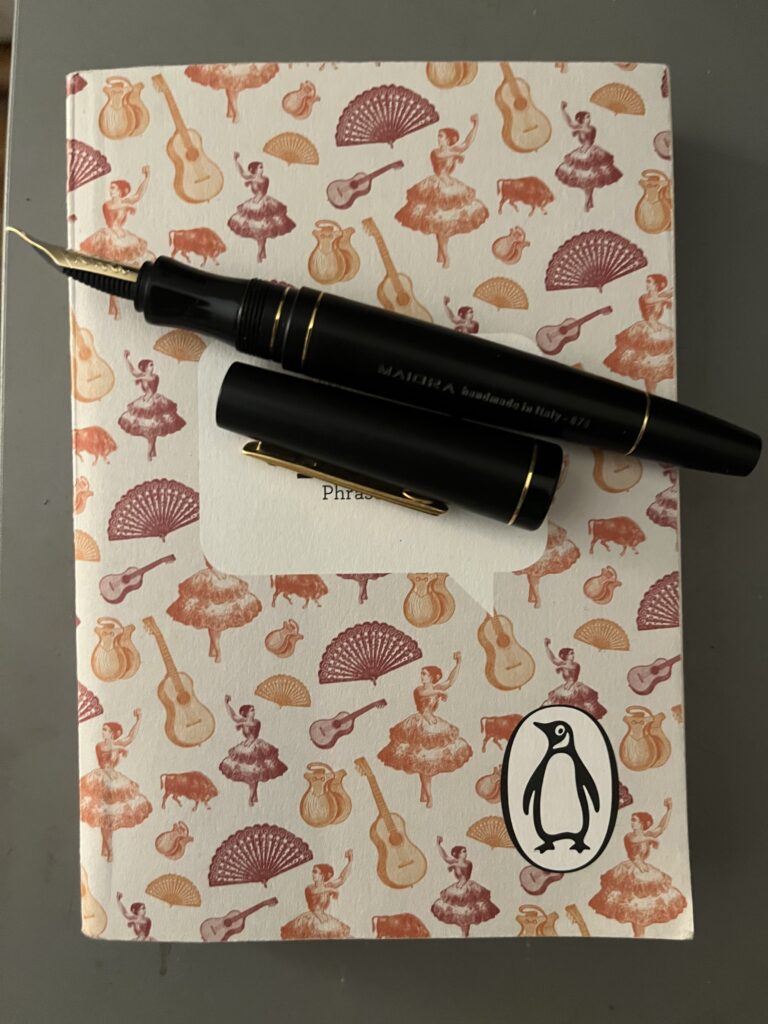
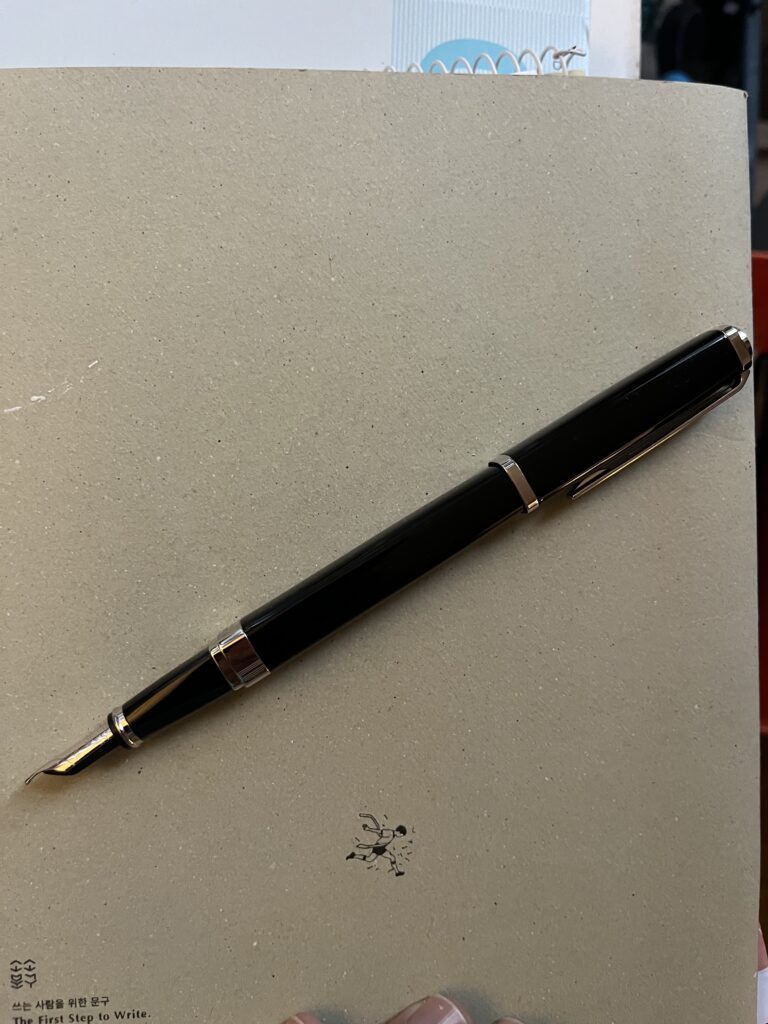
Fountain pens ensure a lasting impression for any writer, delivering quality onto any page. Five fountain pens were selected in this digital collection based on their high-quality materials, various designs, and abilities. This digital collection includes the Kaweco Sport Fountain Pen, the LAMY cp1, the Kaweco Special Brass Fountain Pen, the Waterman, and the Maiora Impronte Matte Black Fountain Pen.
- Kaweco Sport Fountain Pen https://lis5590.create.fsu.edu/exhibits/admin/item/406
- the LAMY cp1 https://lis5590.create.fsu.edu/exhibits/admin/item/408
- the Kaweco Special Brass Fountain Pen https://lis5590.create.fsu.edu/exhibits/admin/item/421
- the Waterman https://lis5590.create.fsu.edu/exhibits/admin/item/423
- the Maiora Impronte Matte Black Fountain Pen https://lis5590.create.fsu.edu/exhibits/admin/item/427

To present these five fountain pens, it was best suited for each individual item to have five essential Dublin Core elements associated with them. These attributes include Title, Description, Creator, Format, Coverage, Type, and Contributor.
It was crucial for these digital objects to specify their titles for each object to help users accurately identify these digital resources, aiding in their discovery and retrieval of these digital objects. In terms of organizing these digital items, using the Title element helps users identify what the resource is about. Naturally, it was best to include the Description element, which provides a brief contextual description of the resource’s content through summarized key phrases or its purpose. After that, using the Creator title helped identify the entity that created the fountain pens, especially the manufacturing companies, such as LAMY and Kaweco.
Concerning this digital collection, the Contributor element was a required identifier, and it helps any associated entities who contributed to the creation of the resource or even not limited to its maintenance. As the Contributor of this digital collection, the Coverage element was necessary for other users to understand the specific geographical coverage or other spatial areas the resource is from. Additionally, Type and Format were included to aid in the discoverability of the resources on the web. Type refers to the nature or genre of the resources, and Format provides the physical specifications of the resource. This digital collection will have an efficient and manageable retrieval and overall discoverability by including these standardized metadata elements.

Ultimately, the metadata associated with the Dublin Core elements depends on the context of the resource. For users, these essential elements used to describe this digital collection help identify and evaluate its relevance. It focuses on accuracy and efficiency, bettering their engagement with these resources.
The challenges when selecting the fountain pens for this digital collection involve the available information. These items were personal stationery and did not have all the disclosed information associated with essential Dublin Core elements from their packaging. After carefully identifying the right fountain pens, much of the relevant information was retrieved online through each manufacturer’s website. These challenges brought exhaustive research, and it could have been easier if the selected digital objects were prints or art pieces with more associated metadata. Very specific metadata was limited and used for identifying these digital fountain pens; perhaps, it could have been more efficient if these items were associated with a famous author, which would add to its prestige.

Digital Exhibits and its Significance
As seen through this digital collection, digital exhibits influence the museum industry by engaging with visitors online and interacting with their collections. In many present museums, digital exhibits have expanded their broad reach to a more global audience, making their collections more accessible. Visitors and users from across the globe can explore the museum exhibits online, allowing more people to enhance this information while diminishing some digital divides. Visitors could be limited in travel and time and may not have the ability to come in person to a museum, whereas digital exhibits can allow users the ability to explore and receive educational materials from the comforts of their homes and devices.
By doing this, digital exhibits offer increased engagement and more interactive experiences in an online platform. Visitors can watch videos, participate in virtual tours of digital collections, and even engage in immersive experiences with more tools while retrieving and viewing digital collections. These digital experiences also allow visitors to access thousands more items than they could have seen in person at their resource disposal. These collections could bring more awareness to some artifacts that they may have yet to be able to access in person at a museum.
For visitors who enjoy attending museums in person, there are opportunities for digital exhibits to run their elements in physical exhibits. This can be seen through an enhanced visitor experience through interactive touchscreens, augmented reality, and virtual reality components that can be activated in a museum to enhance existing physical exhibits. This goes hand in hand with how digital exhibits provide more flexibility and adaptability in their content when in use for their special events or special exhibits. This reaches beyond the traditional sense of exhibits by allowing visitors to receive new information while encouraging a new self-guided way of learning and engaging with the museum.
Ultimately, there are some sustainability and ethical considerations and concerns when developing digital exhibits; however, enhancing digital exhibits creates enthusiasm and excitement for museums that should be noticed. It is crucial that museums maintain their relevance and appeal, regardless of whether visitors are present online or in person.

Leave a Reply
You must be logged in to post a comment.