This collection is of a few of the more unique board games, or gaming items I own. I wanted to include the information I have for each of them in the metadata.
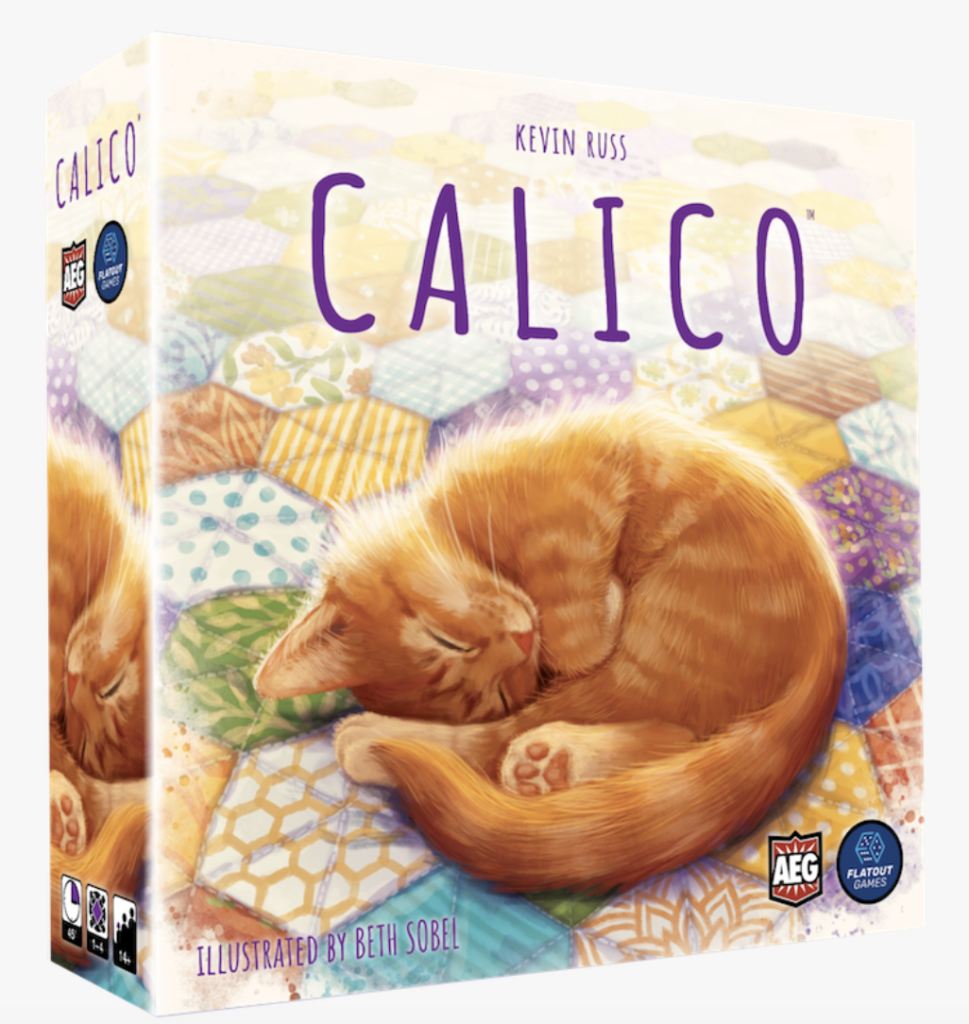
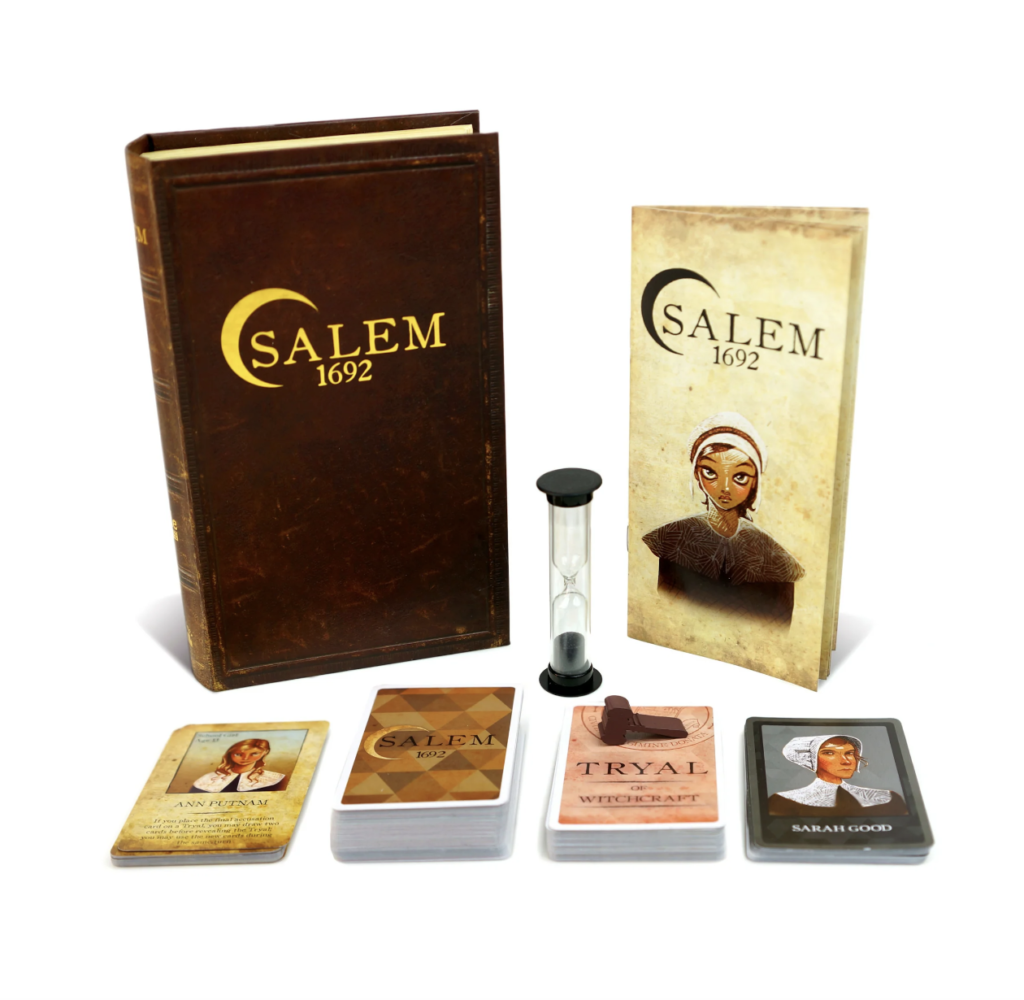
For the two published games, Salem 1692 and Calico, I was able to find a lot of the needed metadata from the publishing companies. These have the most robust metadata as a result.
I have an exact publish date, the names of designers, artists, and creators, and I have complete component lists and summaries by the publishers. I wanted to include these because I could find this information with a simple amount of research. They show a good juxtaposition compared to the other game components I included in the set.
The other three items I decided to include in my game set are more for tabletop role-playing games, like D&D. These materials are a combination of small artist-made, 3-D-printed, and purchased at a market booth. This made finding information a little more difficult and I needed to do some digging and find the people who took part in the creation of these objects to get it.
The first of these objects was a gift from a friend who owns a 3D printer. He made me a small dice tower using color-changing filament, so the bottom of the tower is my favorite color, green, and fades into a lovely purple near the top. I wanted to include the information I could about the way the item was made.
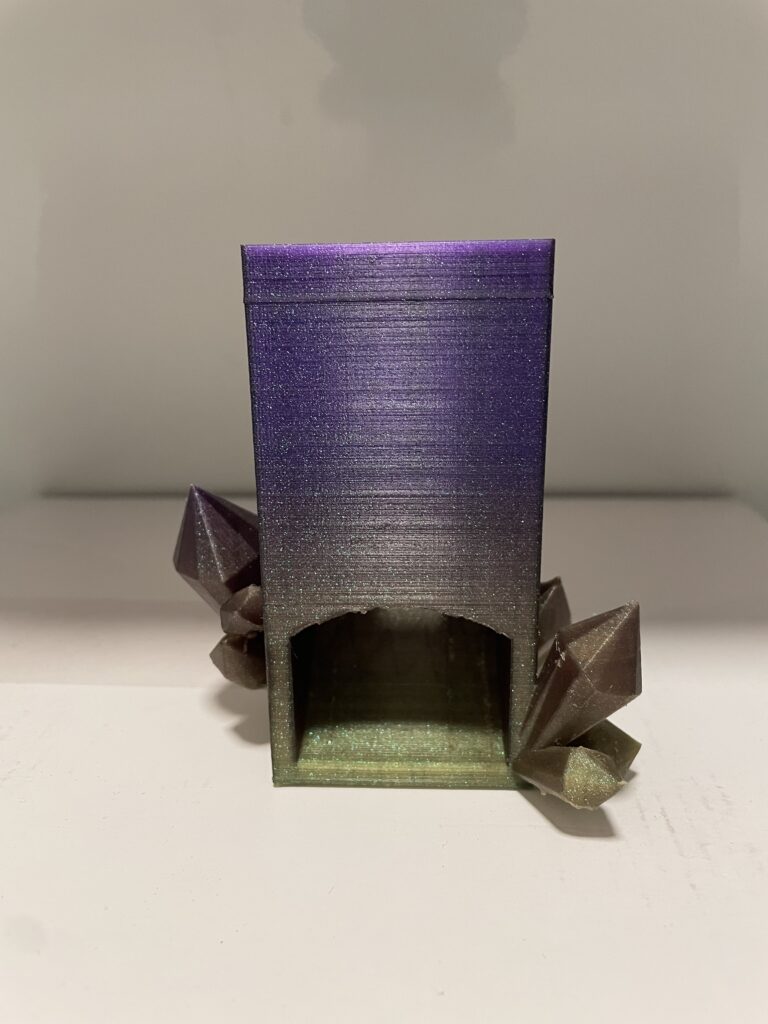
It is a physical object, but I wanted to include the information on the purchased file used to make the physical object. My friends purchased a CAD file designed by someone on Etsy. Since the file is an important part of being able to 3D print objects, I felt it was important to include that creator’s name in the metadata, as well as my friend’s name for printing the object.
The next object is the one I have the least amount of information on. This is a set of tiny dice, purchased from a booth at a fair at the beginning of 2023. For this item, I have a description of the material, appearance, and the extent and measurements. I do not know the creators, nor do I remember the seller. So for this item, I have included that metadata I know and hope will accurately convey the material itself to those looking at the metadata.
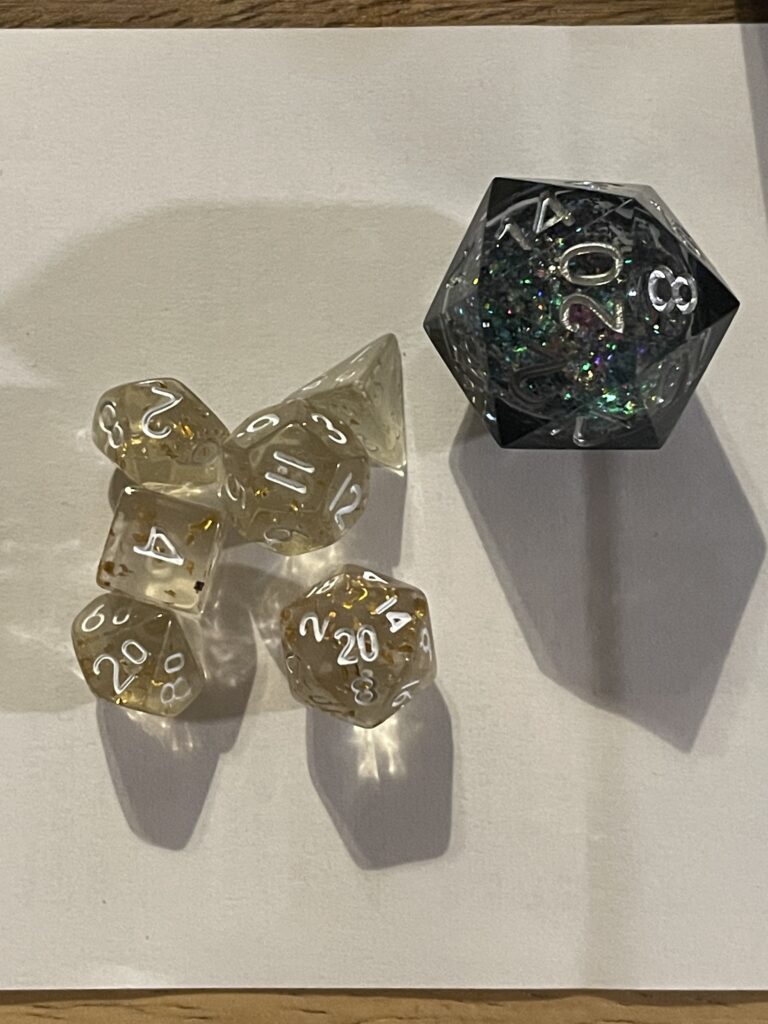
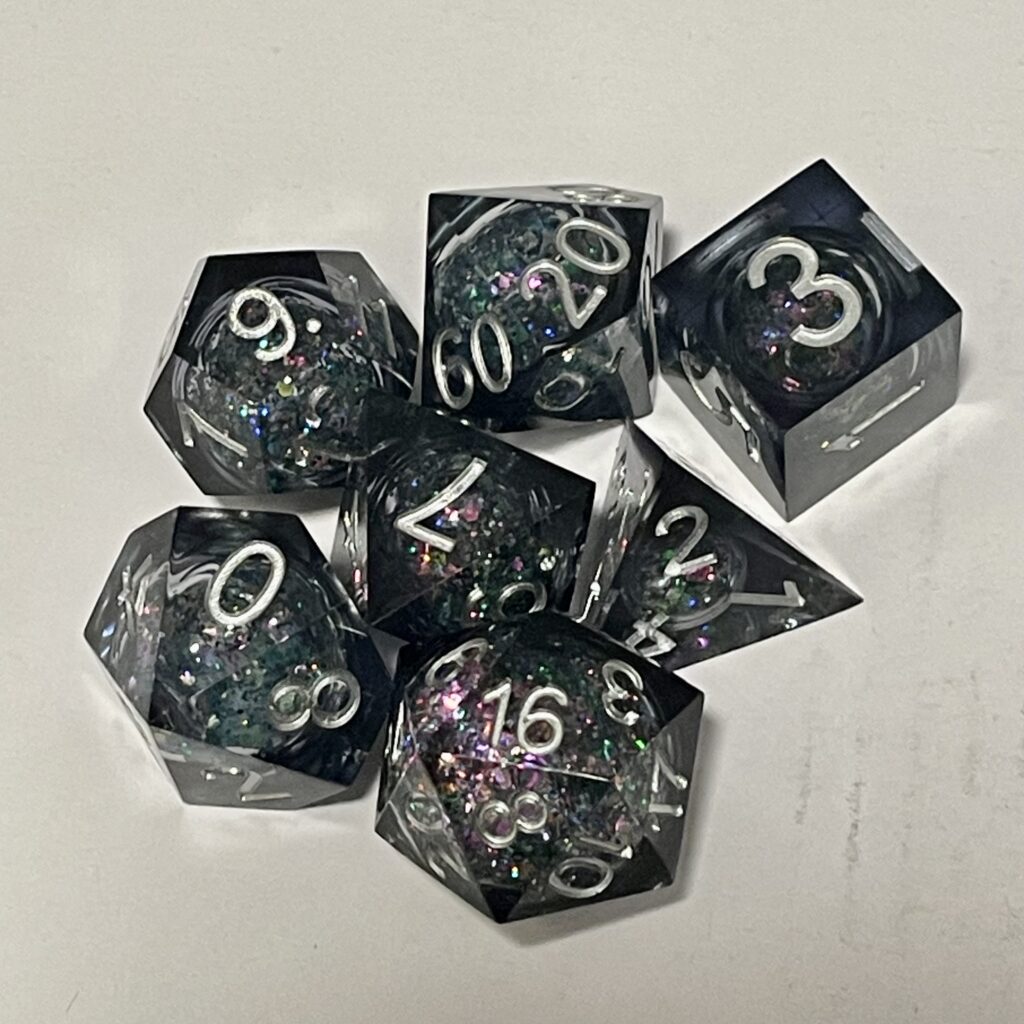
For the last object in my set, I have more metadata than the tiny dice, but less information than the dice tower. This set of dice was purchased off of Etsy, and as such I have access to the artist’s name, the material of the set, and a purchase date. All of this information can be useful for the metadata.
As we create, or generate, metadata the goal is to convey what information may be useful for anyone who comes across it to allow for further research. Through my metadata, I hope to give credit to the artists or creators, and a way to find them. If one were to find this at a later date, the aim is to be able to know when and maybe where an object was found, how it was made, or at least who had a hand in its creation. This information allows researchers to follow those metadata breadcrumbs to a source of deeper information I do not know, like the type of resin used in the dice, or the molds used to set them.

Leave a Reply
You must be logged in to post a comment.