Reace Kaleko
My Own Personal Museum
In selecting a group of objects to catalog to imitate a museum’s digital collection, my first inclination was my collection of sword and sword-like objects. As a lover of history, as well as fantasy, swords and other Medieval relics are some of my favorite things to see in museums. While not all of the weapons in my collection are medieval, they all harken to the blade that is still a popular image of the period. This collection, in my opinion, actually exemplifies swords in the modern era, combining accurate recreations of weapons of the past and pop culture weapons.
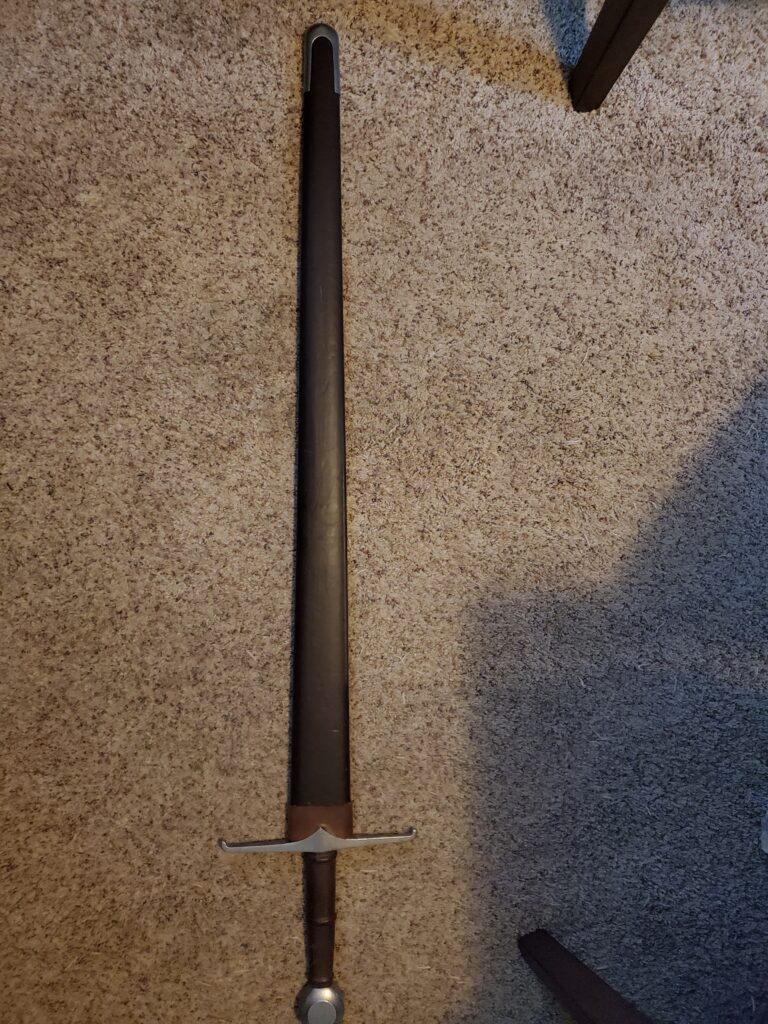
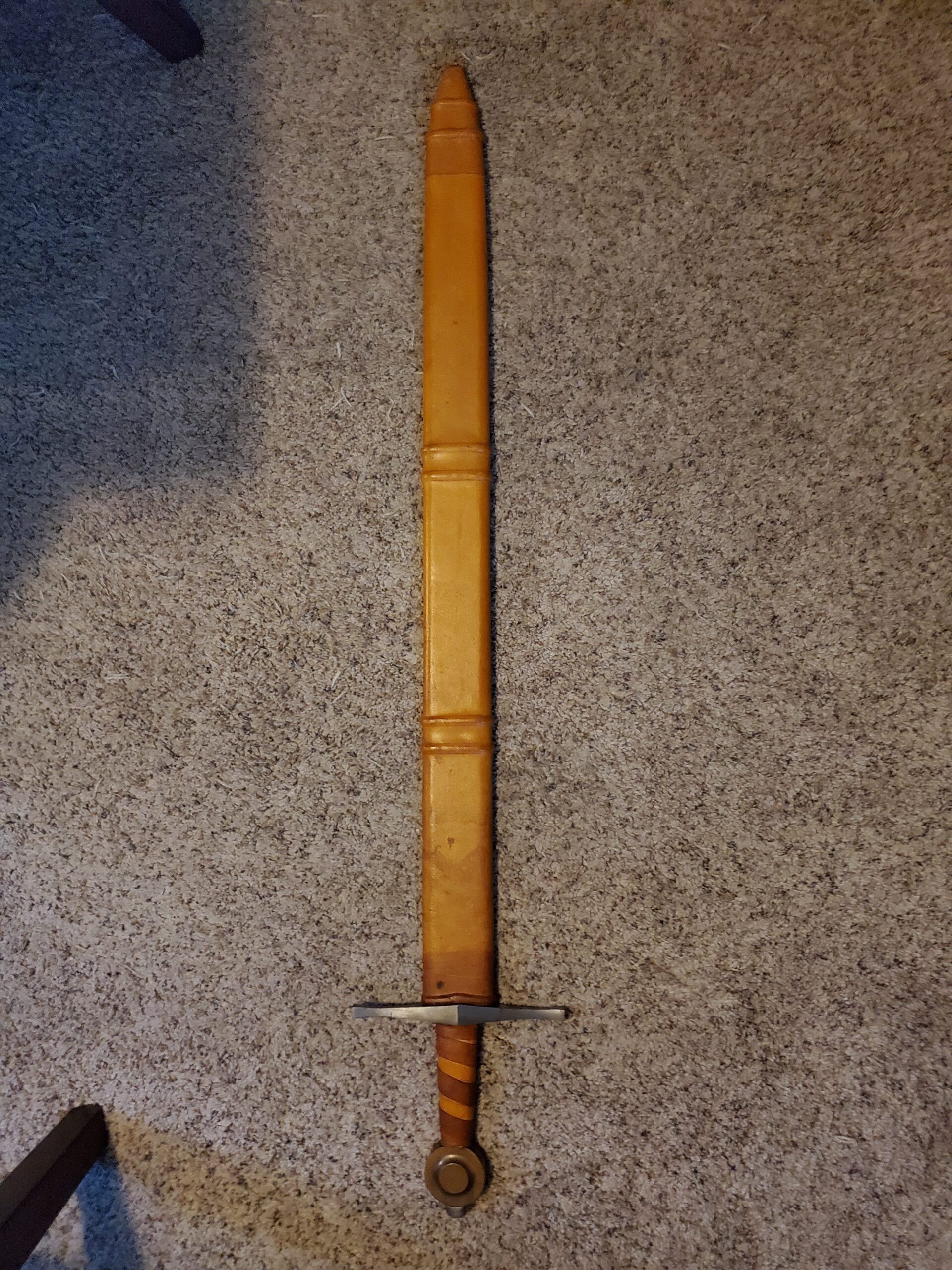
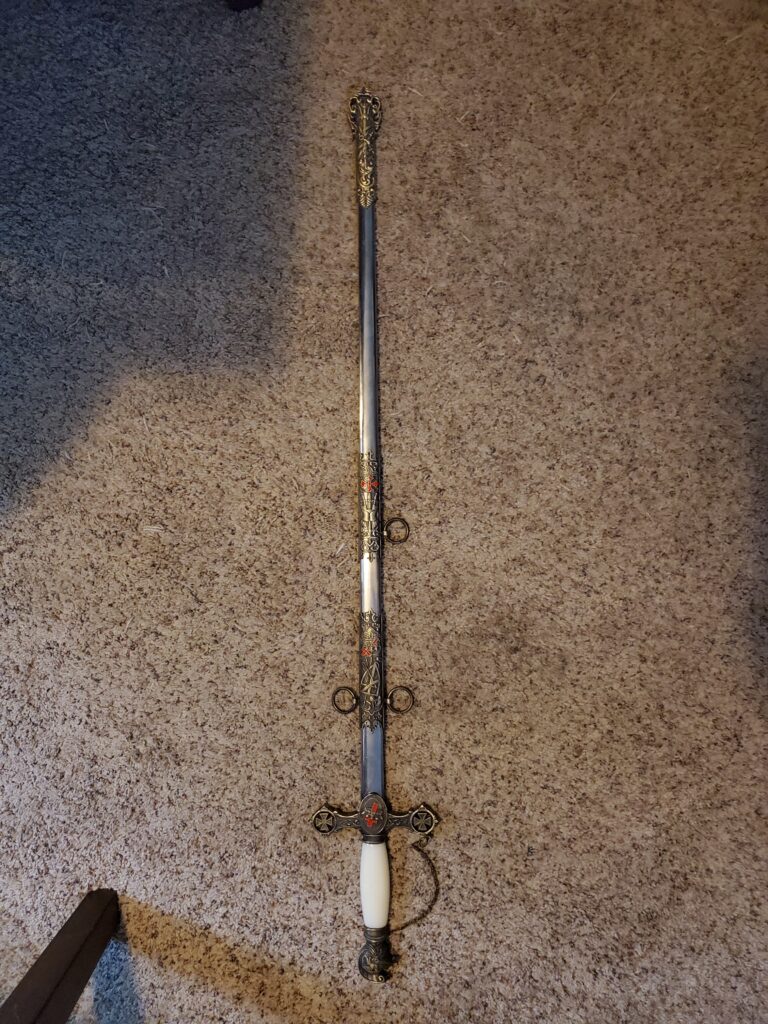

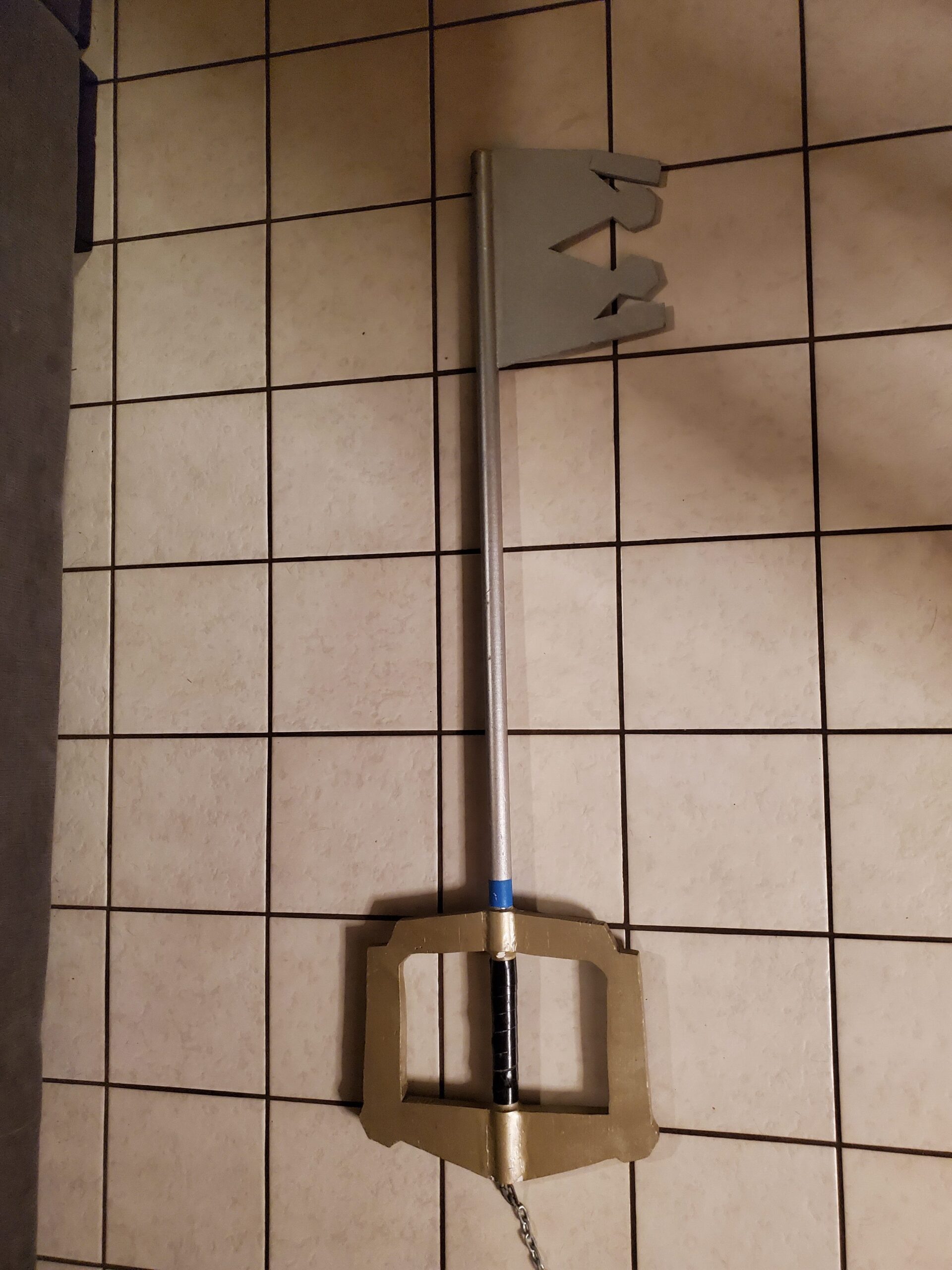
Click these images to be taken to the metadata listing for the item!
Creating a Digital Collection: The Triumphs and Challenges
In describing these items, a number of different important pieces of information came to the forefront. Many of these swords are replicas of specific historic or pop culture weapons. To show what these were, I used the IsVersionOf metadata field, which is described as being for “A related resource of which the described resource is a version, edition, or adaptation”. The swords were also made of many different materials and of varying lengths and weights, so I used the Format field to denote this. Giving credit to the original creators of these swords was paramount both to give credit where credit is due and to make sure I was complying with copyright laws, so I included a field for this information. For some of these weapons, I did not have the original creators information. For these, I used the Publisher field, while for those I knew the creator I used the Creator field. The audiences these items would be useful for was also an interesting point that varied significantly between items. I felt adding in the Audience field would give those with little knowledge of the weapon a look in to who might find it valuable. Finally, for the Keyblade, I was placed in an interesting situation, as it was the only item in the collection I created myself. Since it was a replica of a weapon from a video game, I used the Rights Holder field to denote who the original design actually belonged to.
Rights and creators, as mentioned above, caused me numerous issues in cataloging these items. As it is very unclear in the case of many of these who actually made them because I purchased them from retailers who were surely not the creators, I was forced to use multiple fields to describe what ultimately amounts to the same piece of metadata. It may have been possible to simply list the people these weapons were purchased from only and just use the Publisher field, but that would not have done justice to the creators of the items that I knew.
What This Means for Museums Worldwide
Digital exhibits in museums allow a whole new group of people to visit museums that would otherwise have been impossible for them due to distance or monetary concerns. For instance, the Metropolitan Museum of Art (The Met) in New York City has an online collection which received approximately 600,000 visits a month in 2017, a number which has certainly gone up, according to this article. During the COVID-19 pandemic, it was all but impossible to visit museums, making digital collections an invaluable resource in keeping our population educated and engaged in culture during the lockdown. This article from the Institute of Museum and Library Services listed just a few of the ways museums reached out through digital exhibits during the pandemic, such as the Smithsonian providing virtual gallery tours or the Philbrook Museum sharing images of the museum’s collection on social media and fostering discussion.
This new world of digital collections also causes problems for museums however. This project took me multiple hours to complete, and that was only five items! The manpower and work hours alone required to put a digital collection together would be ruinous for some smaller museums.
It’s not all bad news though, as this kind of online museum community could foster a world of connection that could be valuable to the general population as well as the museums themselves. We have seen the power of businesses using social media such as Twitter to create “relatable” brands and interact with customers and each other in funny and constructive ways. Why could museums not do the same? The example above of the Philbrook Museum shows how effective social media can be for museums to show their collections to those who cannot see them in person, as well as create buzz and discussion. I feel this is the future for museums, just as it has been for commercial businesses. If museums can embrace the online landscape as a place to both exhibit their collections and create a space for discussion and discourse, they will be well on their way to helping create a more educated world in this age of information.

Leave a Reply
You must be logged in to post a comment.