My Collection:
By Kendall Millman
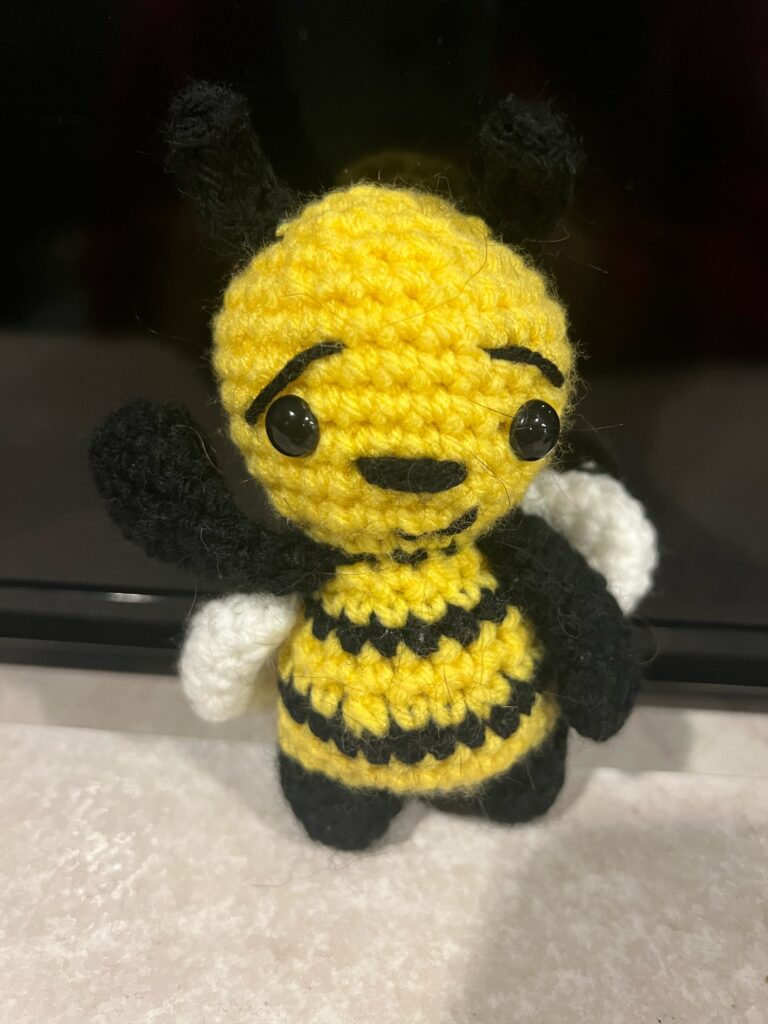
For my digital collection, I decided to include some of the projects that I have created. In June, I wanted to start a new hobby and had always been interested in teaching myself how to crochet. Kendall Millman’s Item Set showcases five handmade stuffed animals that I made in the beginning of my crocheting endeavors. These include:
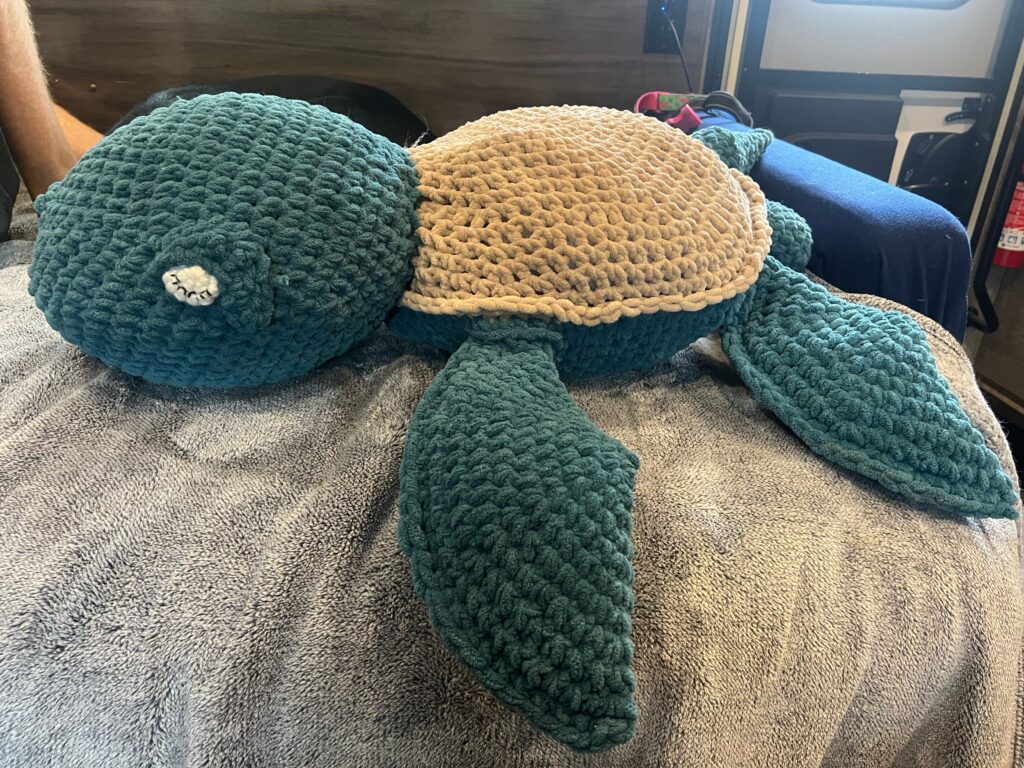
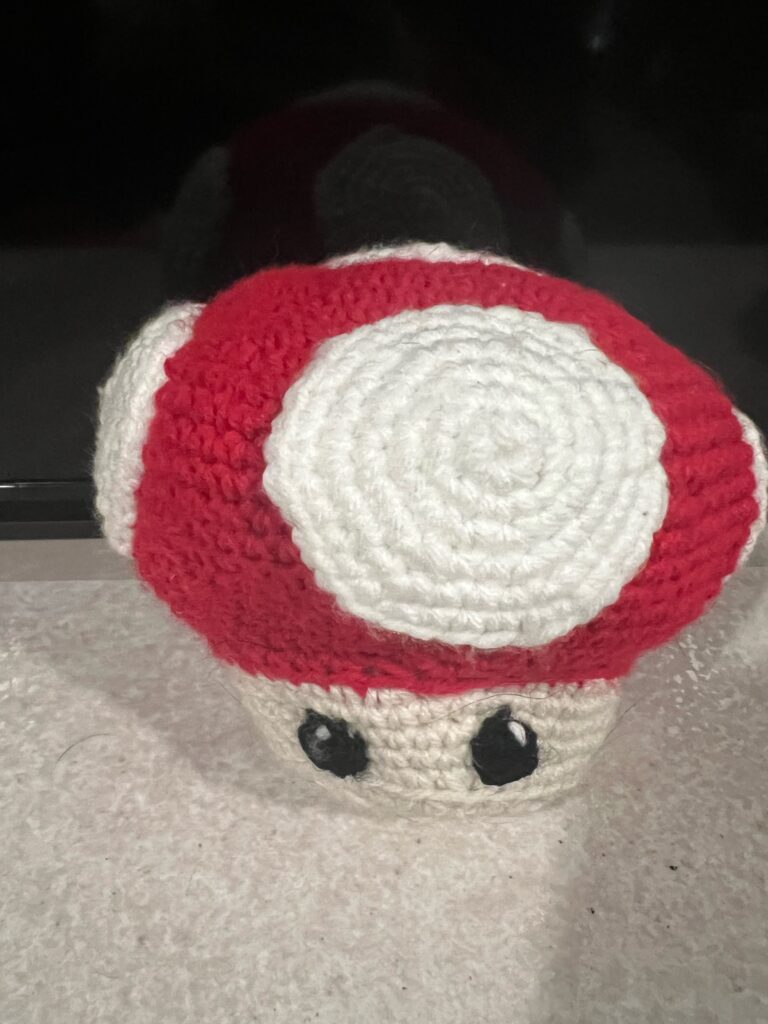
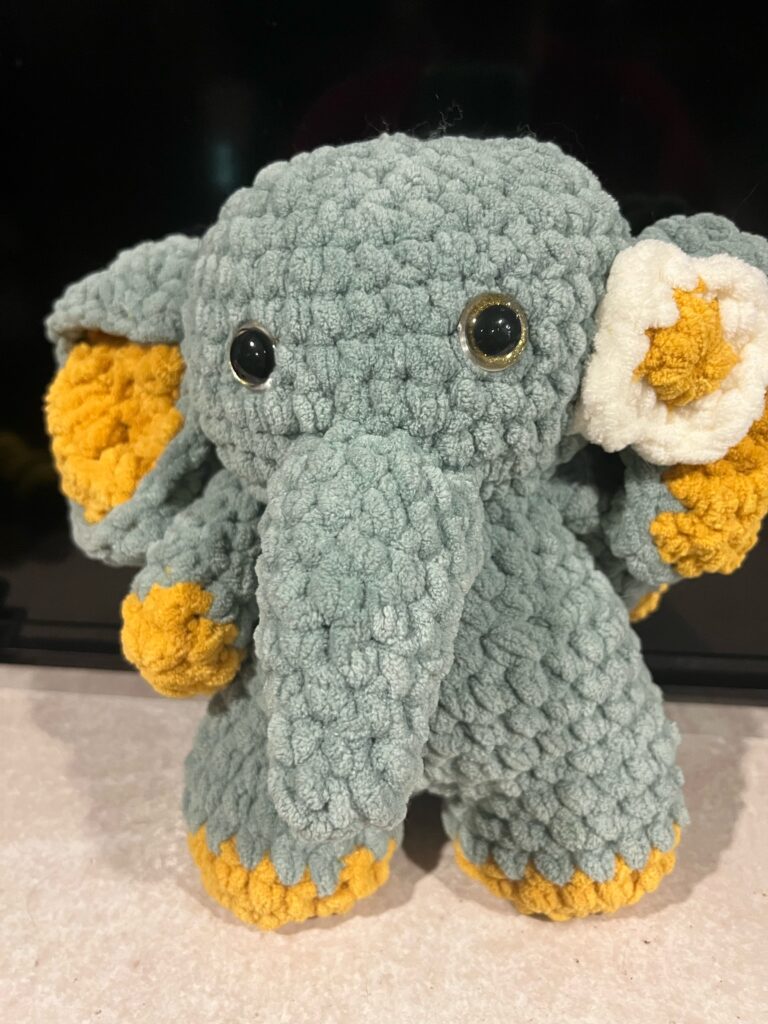
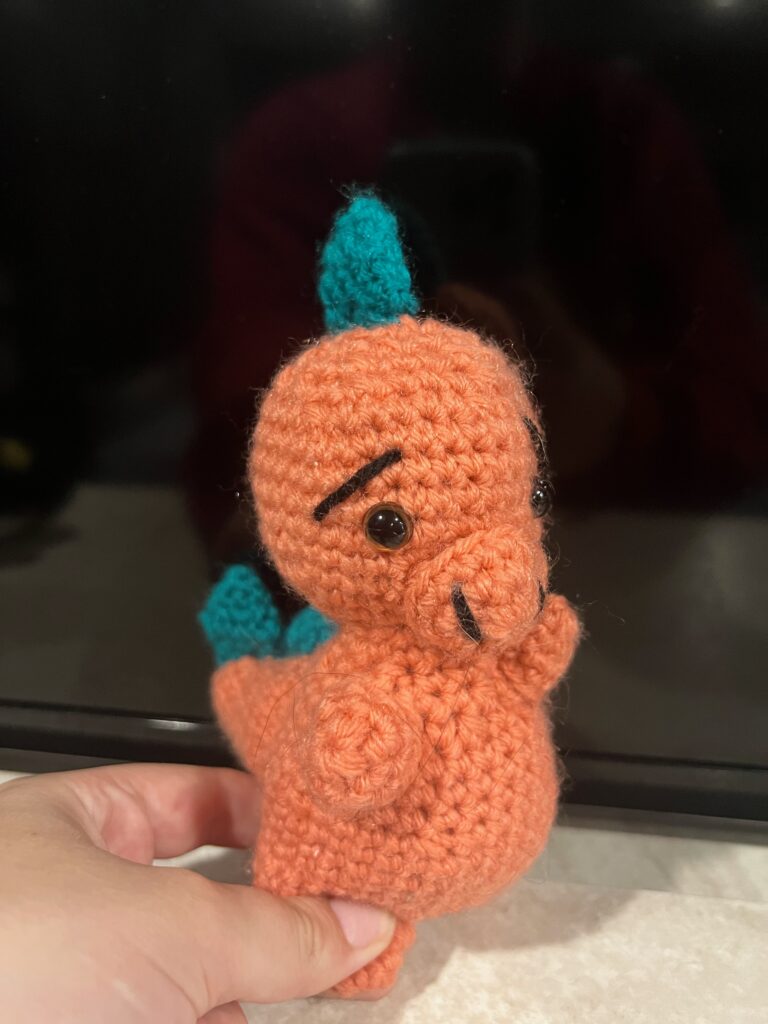
Metadata Fields:
The metadata fields that I included to describe this collection were as follows:
- Class: Type of object included in the collection
- Title: The name of the resource
- Creator: The person responsible for making the resource
- Description: Short narrative explaining the resource
- Contributor: An additional person responsible for contributing to the resource in some fashion
- Extent: The size of the resource
- Date Created: The day the resource was created
Most of the metadata fields that I chose to include are simple descriptors that help to identify the resource. The class of the resource is important to include to tell the audience the format the resource takes. In this case, all of the resources are physical objects. Additionally, each resource needs a unique title in order to be findable. The title can also help to describe what the resource is to the intended audience. I also included a picture and description of the item, so that users are able to read some information about the resource and see what it looks like. Including the creator of physical objects is also important because it gives credit where credit is due, and to avoid any copyright issues. In this case, I was the creator of each resource in the collection, however I used a written pattern created by someone else for each of the items. For this reason, I chose to also include a field for additional contributors. In this field, I included a link to where I either purchased or found the pattern online so that credit is given to the individuals who wrote it. As mentioned, all of these projects were created early on in my crocheting experience — I thought it was necessary to include the date that each item was created. All of the stuffed animals were made within the month of June. The last field I chose to include was the extent of the resource. In this field, I include measurements of the size of each item. Some of the sizes of the items vary drastically, and that is not always represented in an image, so I wanted to make sure that the size differences were recorded.
Challenges:
Most of the challenges that I faced had to do with inputting my items into Omeka. It is the first time that I have used this program, so I had some navigational challenges. It took me quite a bit of time to figure out how to link to my item set, and input images. However, I also had a hard time deciding exactly which objects to use in my collection. I knew that I wanted to use items that I had created but was not sure how to relate all of the objects. When I remembered that I still had most of my early work, I decided to focus on finding items that I created around similar times. It was challenging deciding exactly which fields to include, and which to omit. I think there are countless other ways that these objects could have been described, but I tried to do the most basic and broad descriptors for this collection. The more specific the metadata gets, the more specific any search will need to be in order to find the items, and I wanted to target a broad audience for this collection. For example, if I were to include descriptive language with the technical crochet terminology in the metadata elements, fewer people would be able to find my collection with a basic keyword search. With different fields and descriptive language used, different users will be either more (or less) likely to be able to find the collection in a search.
Implications:
Digital exhibits greatly increase the reach that museums have to their users. They increase the number of people that can interact with the exhibits and allow users who may not otherwise be able to see the exhibit to do so. Digital exhibits could be beneficial for engaging any individuals who would otherwise be physically unable to tour the museum. This could be due to lack of transportation, or physical inability to move through the museum space. Digital exhibits could also be used in educational settings to increase interest and participation in lessons. However, with an increase of access to collections online, participation at museums has drastically decreased. Additionally, studies show that most users do not appreciate digital exhibits replacing physical ones and would rather the two be used in partnership to complement one another in physical museums (Yu-Chang et al., 2012). The need for museums to incorporate access to digital exhibits is inevitable with the growing presence of technology. In many cases, digital exhibits bring access to information and collections to individuals that would otherwise never have that access. However, we must be careful that digital exhibits do not take away from the physical ones, and instead use them to enhance the experience in the physical museum. It is a delicate balance that many museums are still trying to reach.
Reference:
Li, Y. C., Liew, A. W. C., & Su, W. P. (2012, June). The digital museum: Challenges and solution. In 2012 8th International Conference on Information Science and Digital Content Technology (ICIDT2012) (Vol. 3, pp. 646-649). IEEE.

Leave a Reply
You must be logged in to post a comment.