My collection consists of personal items created by myself and members of my family, specifically my husband and my youngest son. The Lady in Garnet and Gold is something I painted many years ago just to fill some free time. Similarly, my husband painted Watching You as a form of personal art therapy. He likes to paint in his free time as a stress reliever. The Dark and Light Prince was an assignment I had given my son when I home-schooled him through 7th and 8th grade. As part of our art lesson, he was tasked to use color and art theories to paint any subject of his choosing. Being an avid gamer, he chose the Prince of Persia. He painted this at the early age of 14. He is currently a student at Alabama State University studying fine art and graphic design to pursue a career in game art development. The sculptures Cobra and WWE Champ’s Plaque were both created as course assignments.
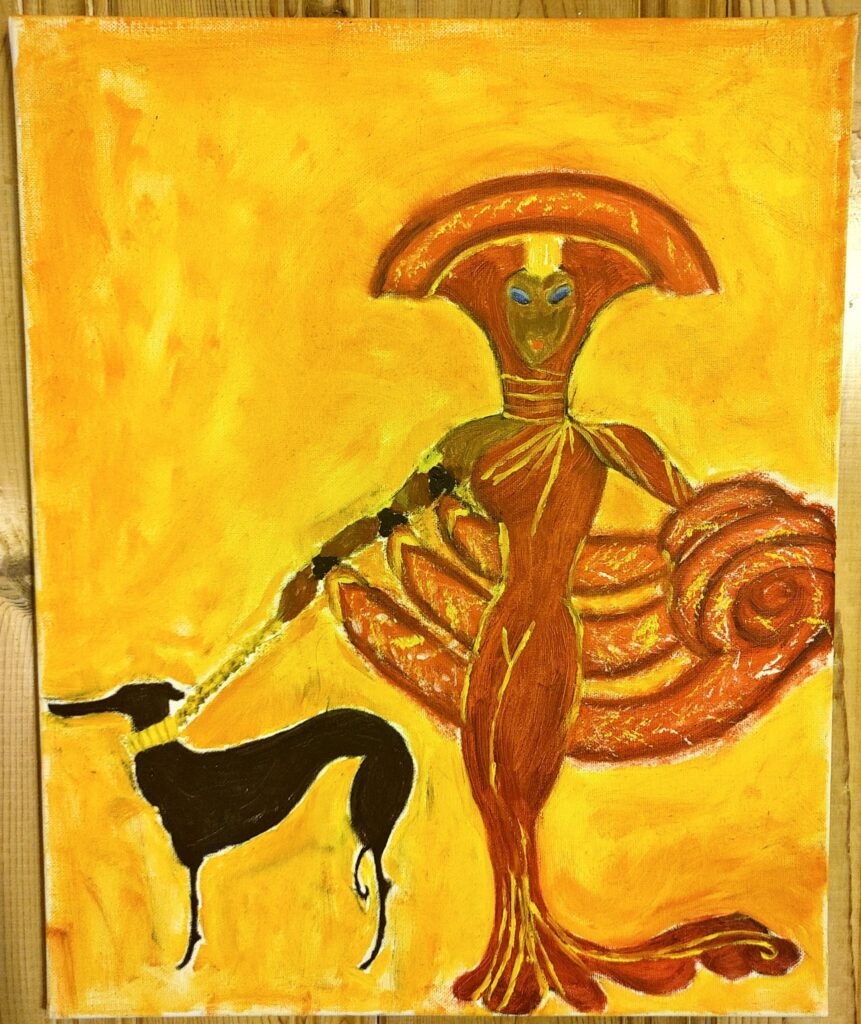
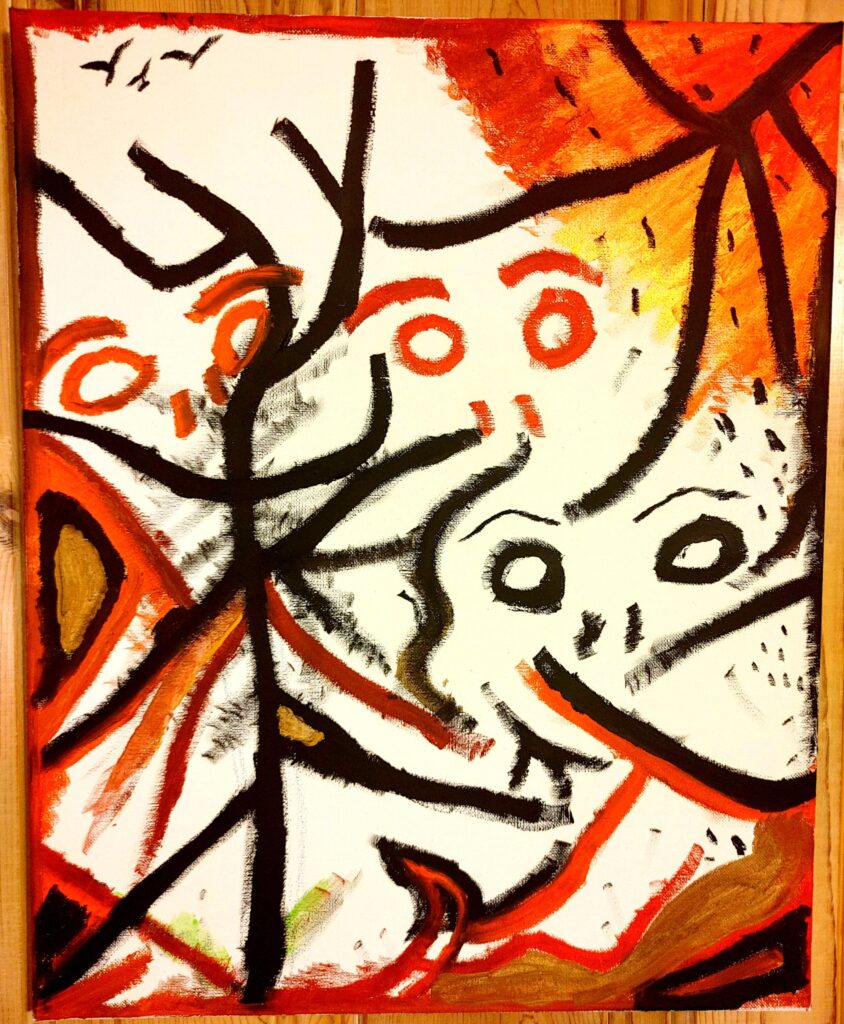
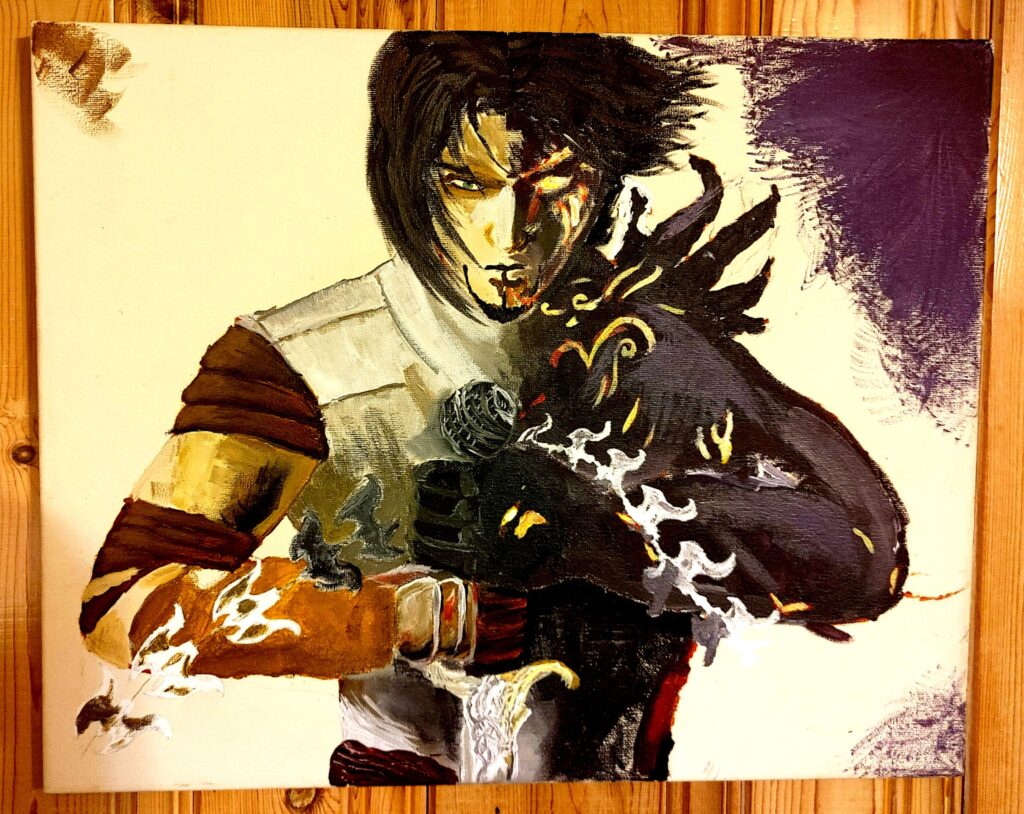
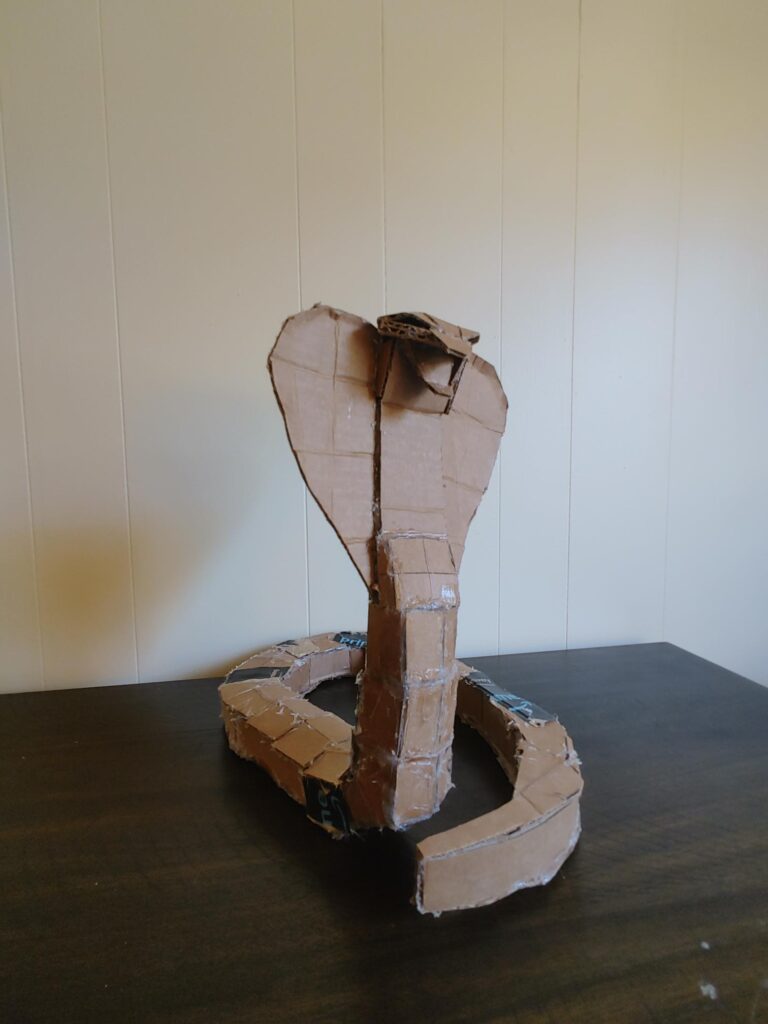
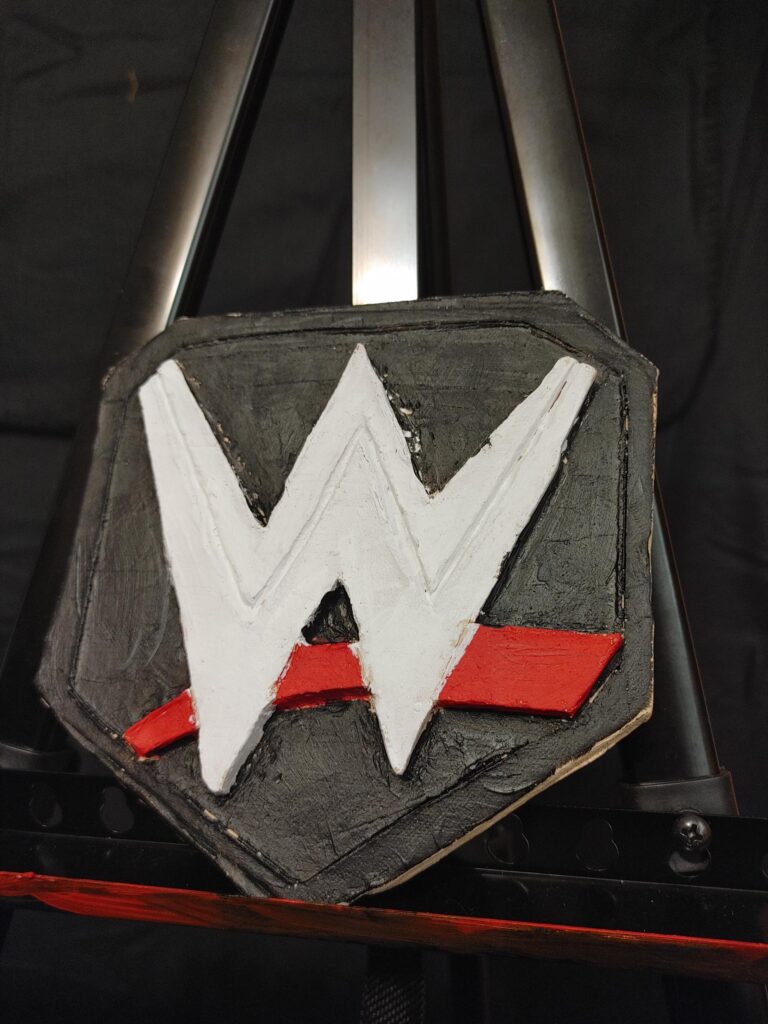
I chose the same basic metadata fields to describe my items, such as Title, Description, Creator, Date Created, Format and Contributor. I felt these fields were best suited to give the general information about the items. I included specific metadata fields concerning Source, Rights and Rights Holder and Versions specifically for WWE Champ’s Plaque, Dark and Light Prince and Lady in Garnet and Gold because these are works inspired by or adapted from existing subjects that are created or owned by other artists/entities. I want to be sure proper credit was given to original artists/creators as well as highlight the artistic talents of myself and my family.
The biggest challenge for me having no background in Omeka S or using metadata such as this, was determining which metadata fields best fit the information I wanted to convey. Many of the descriptors for the metadata seemed either repetitive or vague in their function. I am sure that there are other ways to describe the items I have submitted and someone with more experience with the descriptors would be able to apply more or different fields, but I chose the metadata that were relevant to my understanding.
Within the larger context of museums, the implications of digital exhibits are expansive. First, digital exhibits allow for more inclusiveness in museums. People from remote areas can explore and engage with museum collections and exhibitions without the need for travel. It can also be accommodating to individuals with physical disabilities. Digital exhibits can be an educational resource by providing online resources, virtual tours, and interactive exhibits. Digitized collections also serve to preserve cultural heritage by providing digital archives that can be accessed and studied without compromising the original artifacts. They enable individuals from diverse backgrounds, socioeconomic statuses, and abilities to participate in cultural conversations, which can lead to understanding social inter-connectivity and tolerance.
One of the key challenges with technology-enabled museums is access to the technologies that make it. In my Information Policy class one of the topics of discussion is making information accessible and affordable to all. This can pose a problem for implementing digital exhibits if certain demographics cannot access them due to not having internet access. Another issue is the possibility that a digital exhibit might be an unsatisfying replacement for the physical experience. The primary reason being the lack of scale. No matter how many galleries a viewer can virtually walk through, the experience will always be no larger than the user’s screen.
Technology can act as a useful conversation starter and marketing tool. It can be the catalyst to get someone who would not usually visit a museum to consider going. An attention-grabbing gimmick may be the thing that persuades people to experience what a museum has to offer. Also, just as the use 3D printing can allow museums to be accessible to blind people, the addition of mobile applications can facilitate visits for the hearing impaired.

Leave a Reply
You must be logged in to post a comment.