For the Digital Objects assignment, I chose five handmade items I have in my home. All of them were made by members of my family and given to me as gifts.
Metadata fields
I used metadata fields class, title, owner, description, creator, medium, format, subject, date accepted, and date submitted. I used Dublincore for all of the fields except owner, which is Bibliographic Ontology.
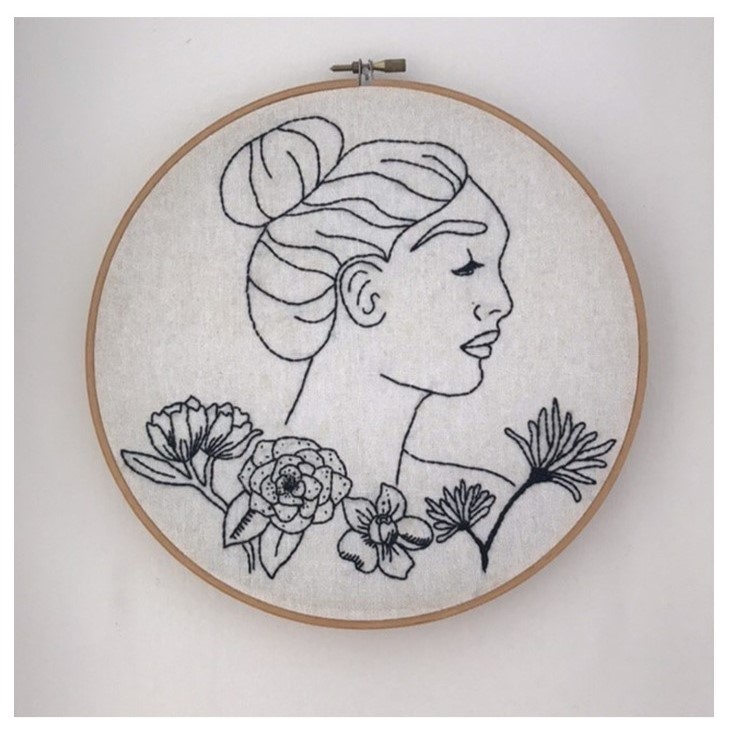
I used class and title as basic forms of identification and owner as a way to make clear that they are all part of my private collection. I used the fields creator and date accepted to convey who made each item and when they gave it to me. I tried to include titles and images that made clear what each object is, but the ability to grasp a physical object’s characteristics when viewed as a digital object is limited, so I used description, medium, and format to provide the viewer with the type of information they would gather by seeing and handling the object. These items have little or no value to anyone other than the owner, so I also used the description field to convey their value to me by providing the occasion on which I received them. In the subject field, I tried to use words or phrases that would make the item discoverable under various keyword searches if items were searchable based on information provided in the metadata fields.
Challenges
It was challenging providing adequate data based on the information I have about the items. For example, one of my items is a crocheted shawl. I’m sure the maker followed a pattern, but I don’t have any information about the pattern. I could not include any details about its construction, because I am not familiar with crochet techniques or terminology.
The physical characteristics of the objects could have been described in greater, more specific detail if the creators were providing the data rather than the recipient. Viewers may have a clearer understanding and greater appreciation for the items if they knew how each item was constructed.
I enjoyed this first experience with metadata and cataloging.
Digital exhibits within the context of museums
One way I could see museums collaborating through the use of technology would be to present digital images along side physical items in a gallery. For example, if a museum had a limited number of pieces by a particular artist and wanted to show those items in context with the artist’s other works they could have screens, monitors, kiosks, etc. in the gallery for visitors to view high-quality images and accompanying information, provided by the owning museum, of the artist’s other works. While perhaps not as exciting as seeing the real objects, this would be more cost-effective and less risky than transporting irreplaceable art works around the world.
One challenge for museums in implementing digital exhibits may be in determining how to use their limited financial and human resources. Is the goal to provide in-person visitors with a more meaningful or interactive experience through digital enhancements in the hope that it will generate more visits? Or is the goal to provide virtual visitors or researchers with a more lifelike or more informative experience through high-quality digital reproductions and thorough metadata? Maybe museums are expected to do both in the digital age.
I tend to avoid interactive experiences in a museum’s physical space, but, upon reflection after Matthew Hunter’s presentation and some of the assigned reading, I can see tremendous value to researchers and the general public in immersive digital experiences surrounding historic sites and buildings. In cases where it is necessary to limit people from entering certain sites or buildings due to the age or fragile condition of the site or its contents, digital exhibits and experiences may be the only way for people to access these places.

Leave a Reply
You must be logged in to post a comment.