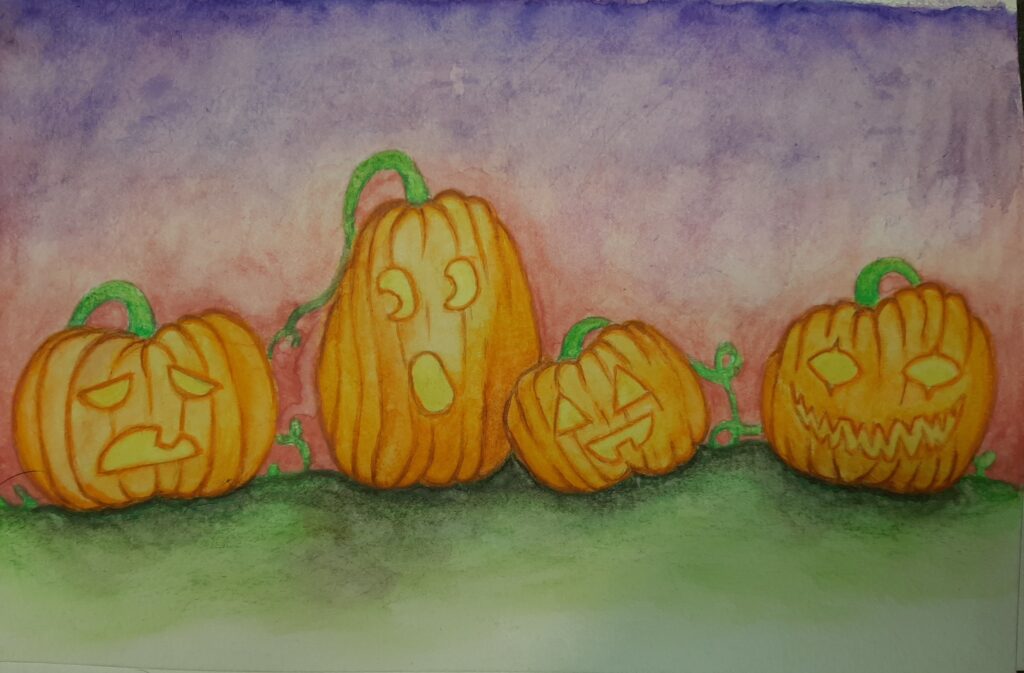
This collection contains a series of craft projects created by me. While each item consists of distinct materials, they all fit into the spooky and/or autumnal theme. You’ll find ghosts, pumpkins, and monsters galore!
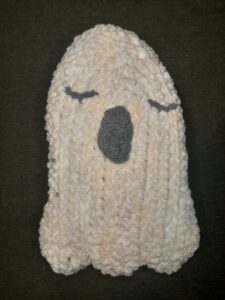
The metadata fields associated with the items in this collection include:
- Title
- Description
- Creator
- Medium
- Format
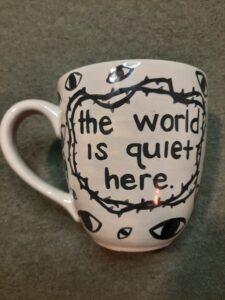
The title and description fields help to associate these pieces with one another and give the audience context for them. These fields can be especially helpful in the case that an image fails to load, or the audience is otherwise unable to view it. Meanwhile, the creator field helps to distinguish these items as homemade pieces all created by the same person. This information may also allow the audience to search for the creator and their pieces elsewhere.
The medium and format add further description to the pieces, such as highlighting the fact that they were all created using physical mediums (e.g., watercolor paper, yarn, and ceramics). With this information, the audience may have an easier time imagining what these items look and feel like in person. Moreover, since these are homemade craft projects, this information could inspire audience members to make their own versions.
One of the biggest challenges I faced while creating this collection was completing the description field. I wasn’t always sure of the best way to describe these items beyond what they were made of—at times it felt like my descriptions were too bland or reiterated information that was available in other metadata fields.
The only other metadata fields I considered using were Date Created and Rights. Ultimately, I didn’t feel that dates would provide significant information to the audience. Copyright information is certainly something worth considering, insofar as it could give the audience permission to share the images or recreate the art on their own (depending on which level of copyright I choose).
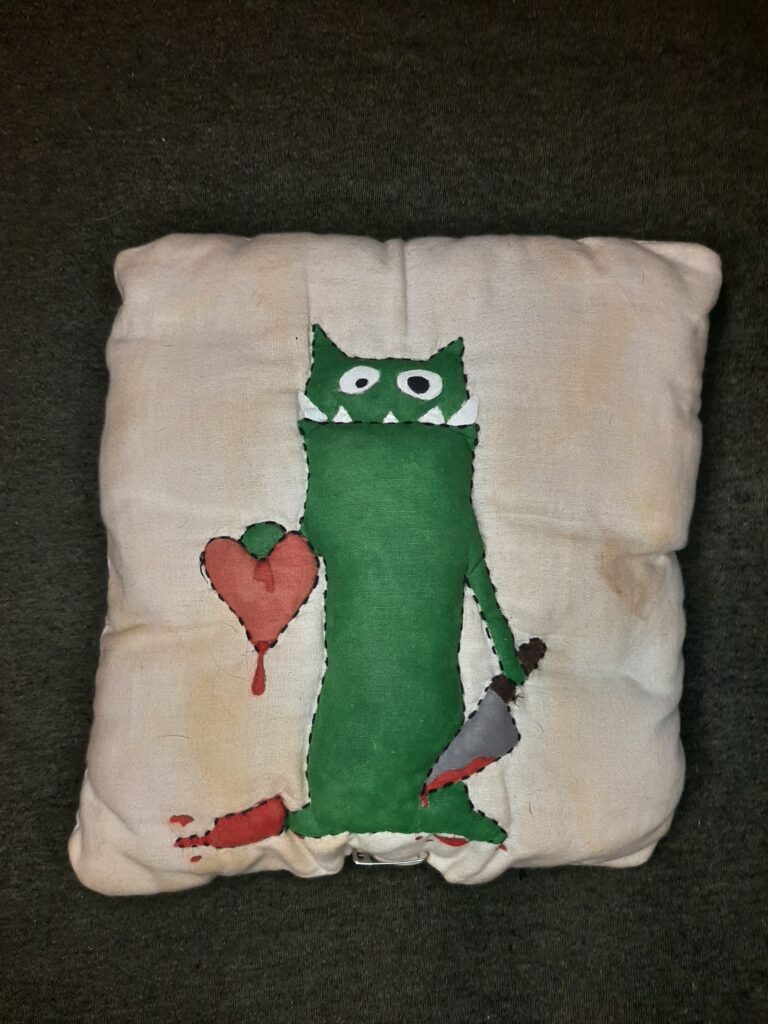
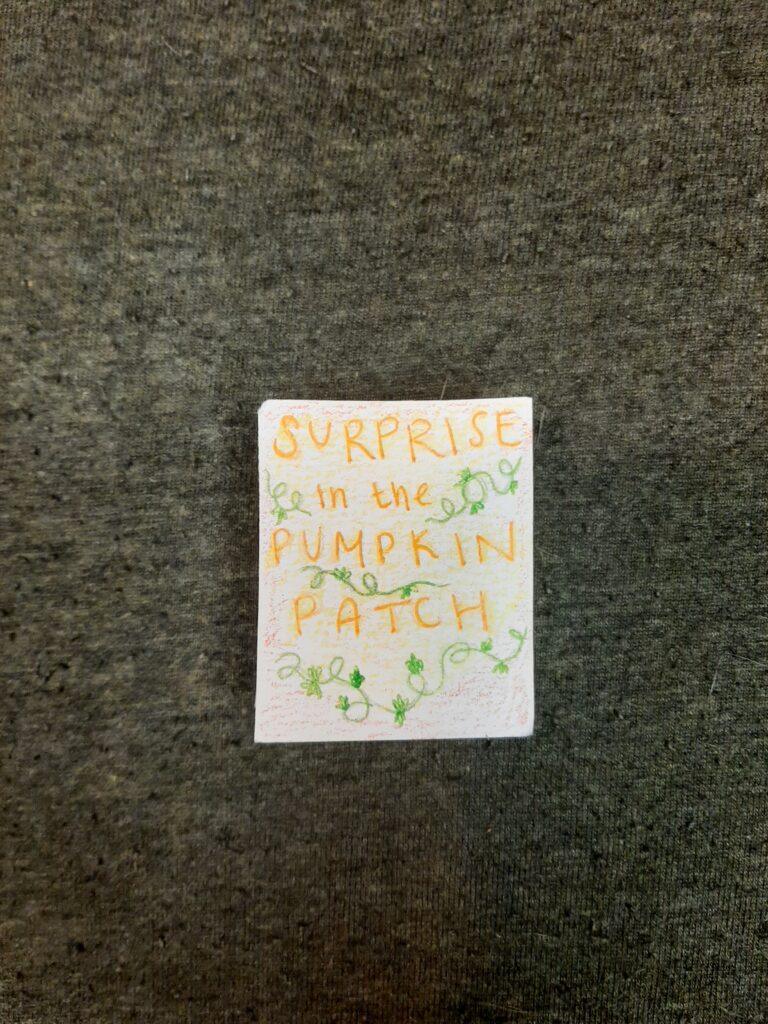
When considering how digital exhibits will impact audience interaction, the first thing that comes to mind is magnification capabilities. When visiting objects in a museum, you aren’t always able to see the items close up (the Mona Lisa being one example). Depending on the quality of the images they contain, digital exhibits can allow the audience to experience each item at a much closer level, including even some of the smallest details.
Some digital exhibits also give visitors the ability to save items into their own personal libraries, making it easy to find, view, and share them with others again and again. One of the main challenges is the time, money, effort, and infrastructure that must be put into digitizing items.

Leave a Reply
You must be logged in to post a comment.