Art and post by Nadia Hajo
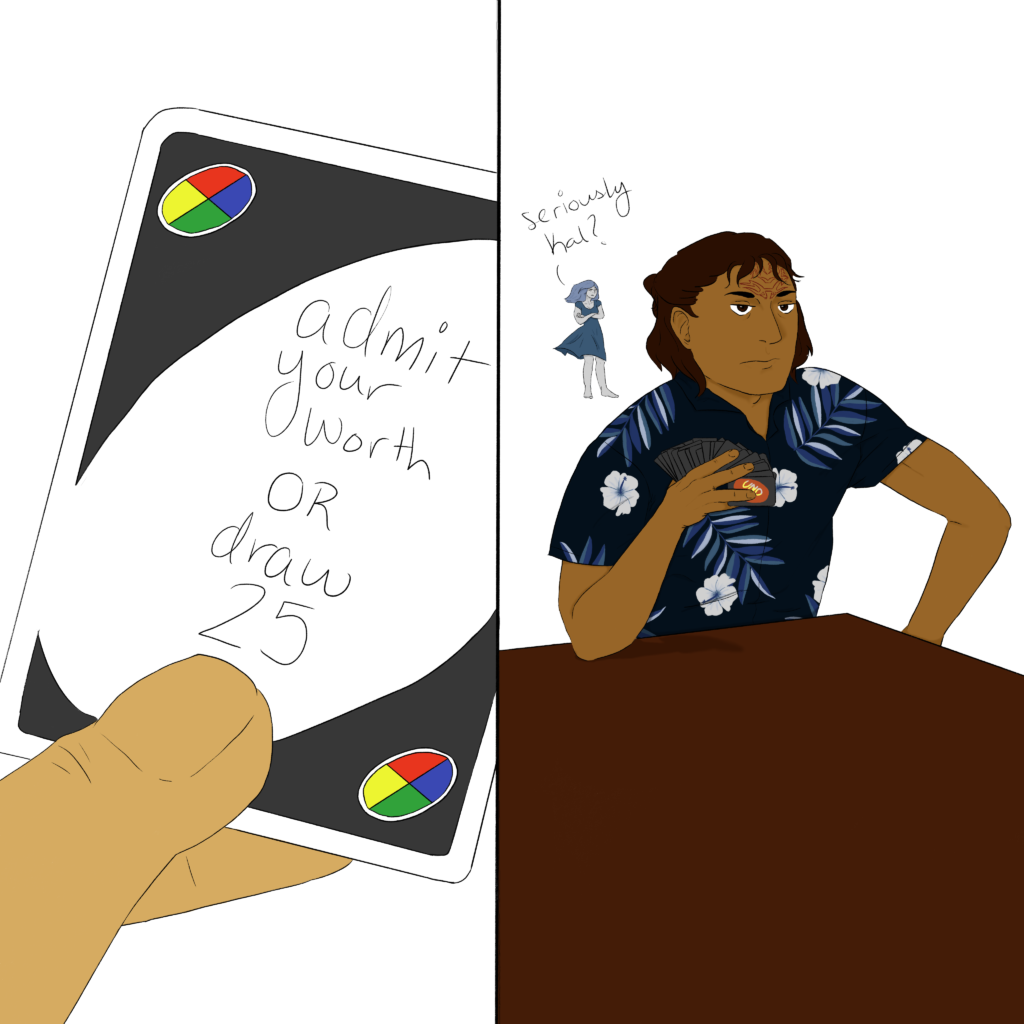
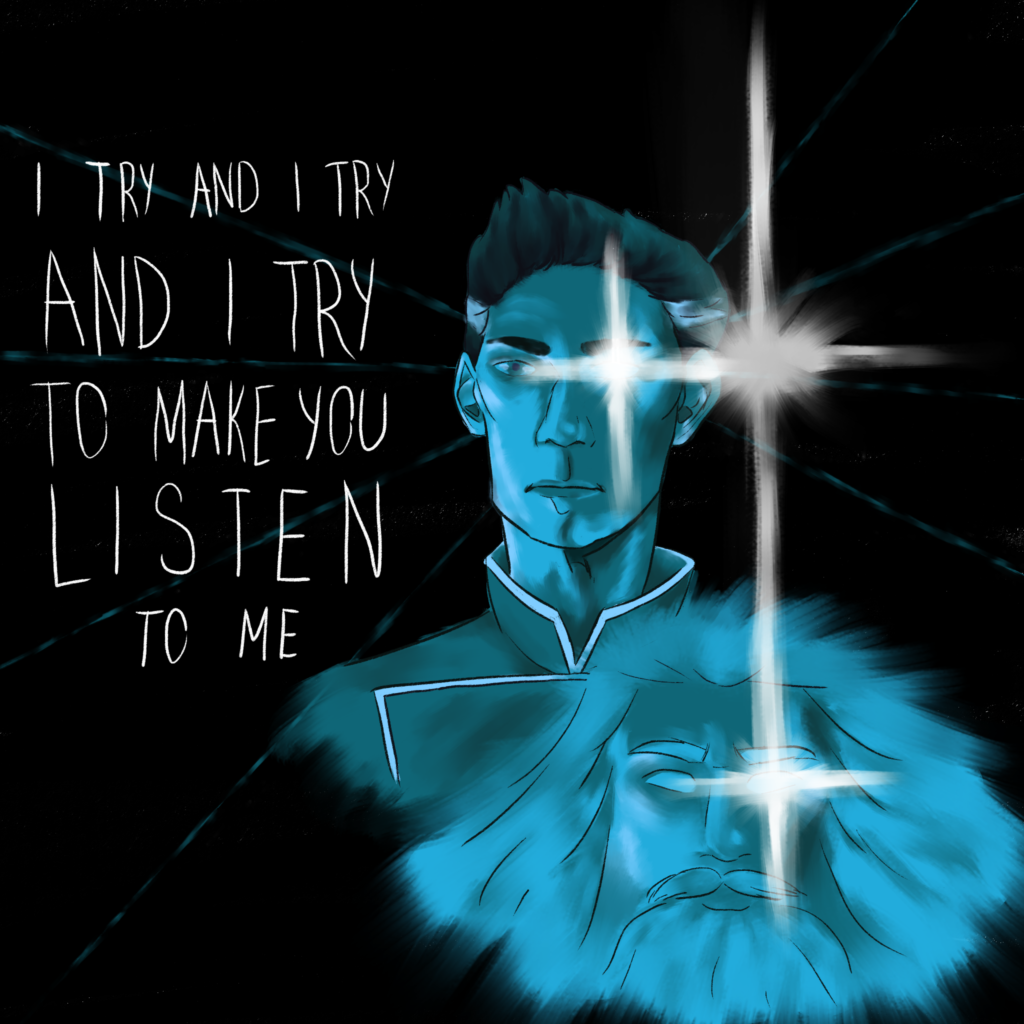
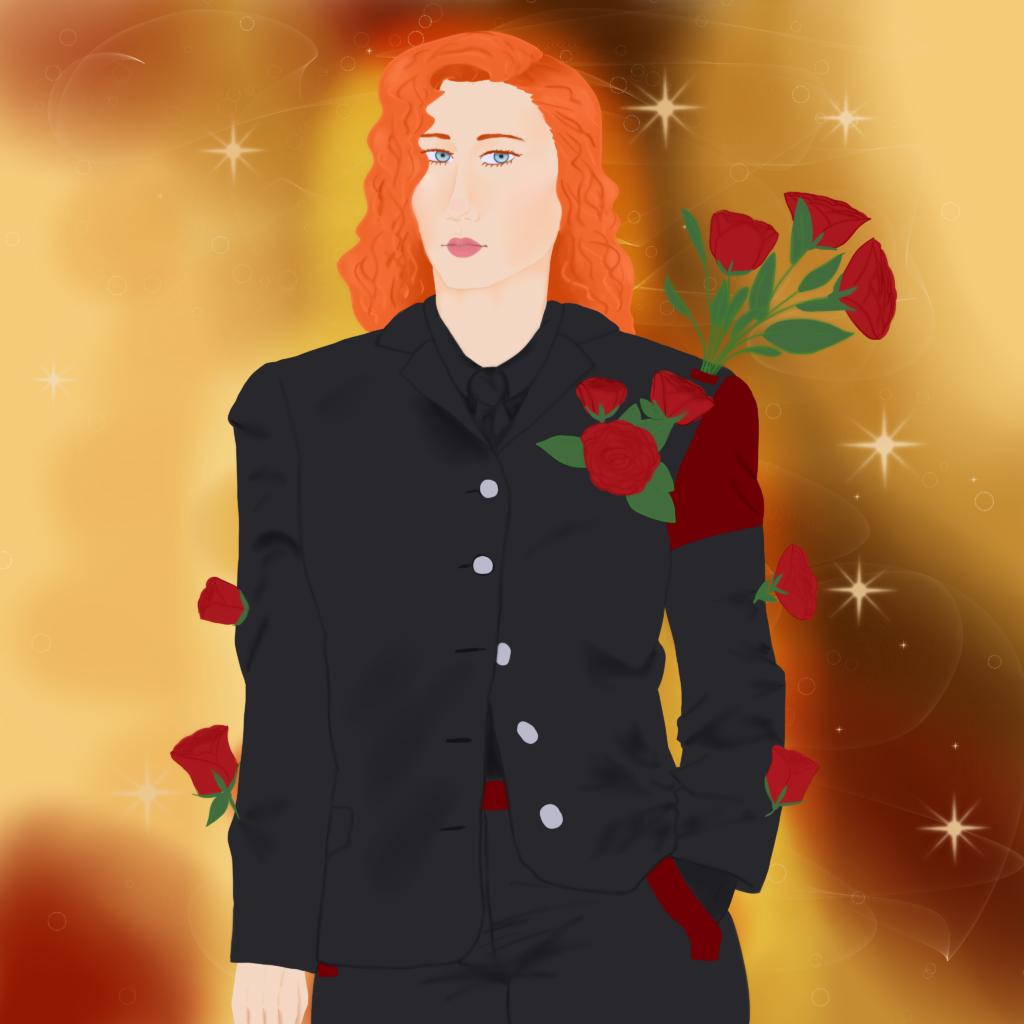
I decided to create a collection of my digital artwork for this Omeka site. There is “Draw 25,” “Adigha Arts,” “Sunset,” “Unnamed Half-elf Sorcerer,” “Tyra’s Fall,” “Shallan in a Suit,” and “Touch-Tone Telinar.” While some are completely original works, others are fan-art made for my Dungeons & Dragons characters and character ideas, as well as for characters from the fantasy series The Stormlight Archives by Brandon Sanderson. Both “Adigha Arts” and “Sunset” are original works, with the former being created as a profile picture for the Instagram page I created to showcase my art, and the latter being a spontaneous drawing I mostly used as a way to experiment with brushes I hadn’t used before. Both are pieces I would like to revisit and redraw now that I am a little more developed in my art. “Unnamed Half-elf Sorcerer” is a piece I drew for my dad since he had a concept for a character he was thinking of creating for a D&D game with his friend from high school while “Tyra’s Fall” depicts part of the backstory of a character that I played with my college friends. “Draw 25,” “Shallan in a Suit,” and “Touch-Tone Telinar” were fun pieces I created as fan-art of some of the main characters from The Stormlight Archives. The first is a meme format that was popular around the time I drew it, and I mostly drew it for fun. The second was an idea I got from seeing a picture of someone walking a fashion runway in the suit depicted, and thought it would fit the character Shallan and giving me a chance to try drawing curly hair. “Touch-Tone Telinar” was an idea I got while listening to the song “Touch-Tone Telephone” by the band Lemon Demon and the lyrics really fit the character Dalinar, who is trying to unite his country but not being listened to by his fellow warlords.
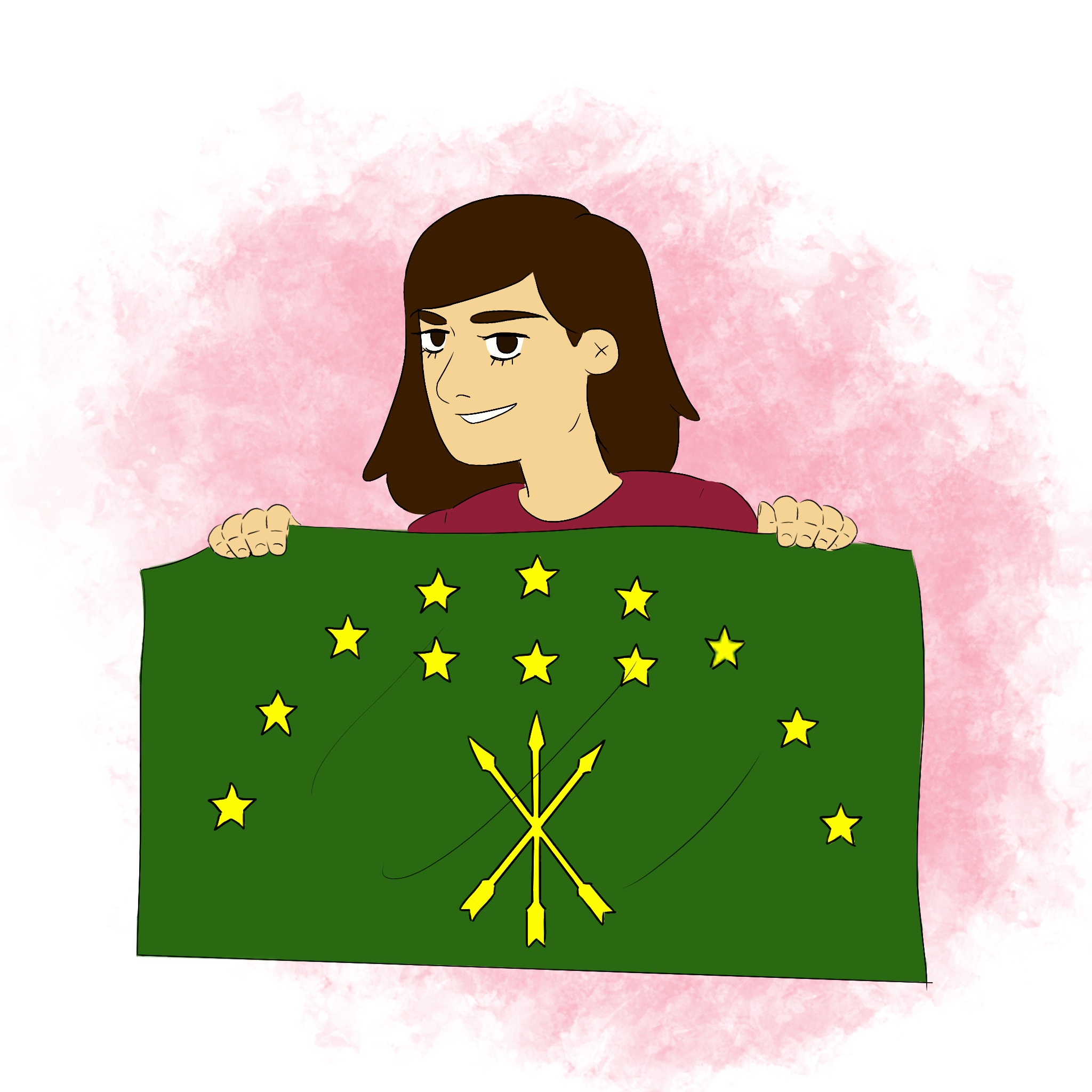
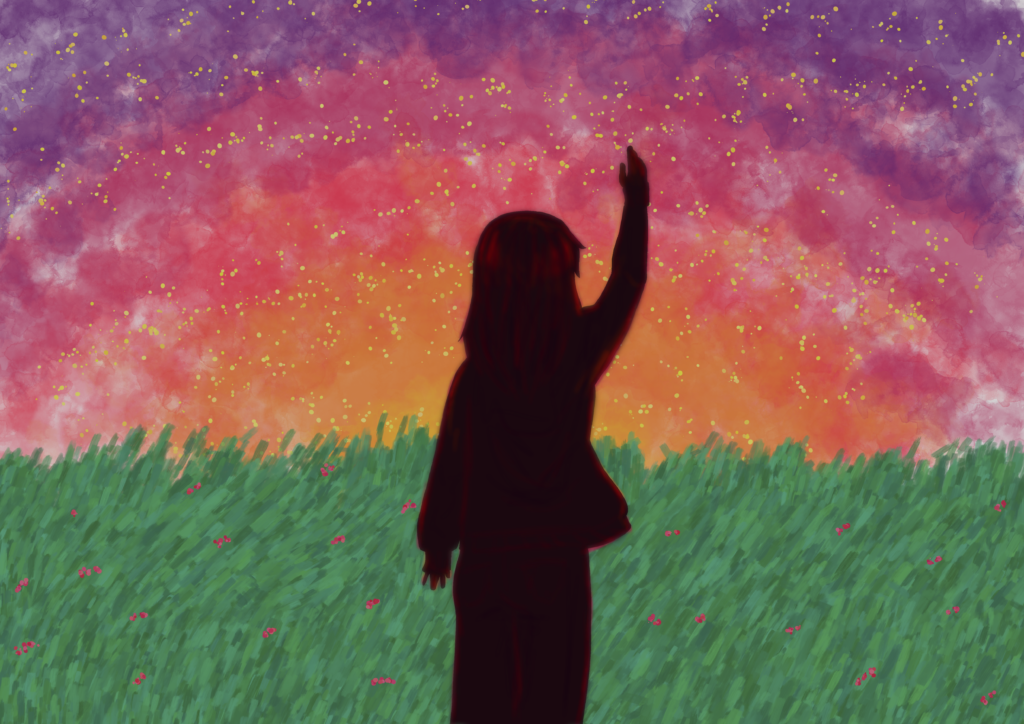
In each of my items, I decided to use title, description, creator, relation, and date created. Using the title and description is pretty obvious–I needed to give viewers a name for the pieces I was showing, as well as a description offering a short visual description as well as certain context as I deemed necessary. The creator field was meant to show who drew each piece. I used the relation field to link to the materials used for each piece–be that source materials for the characters depicted or the source materials I used to create the characters, as well as the program I used to create each piece. I also included a link under this category for each item for my Instagram art account, since each of these pieces is listed with further, more informal, descriptions regarding thought or drawing process. The date created of each piece is also pretty self-explanatory; showing when the art was made so people can see the changes in my style and quality as time goes on. I want people to see my art and know that while it is based off of existing media, the ideas behind them are my own–either original characters I created, or situations that do not exist in the source material. Not only that, but it also shows what can be done with digital art programs (in my instance, Krita) and the progress that one can make on them.
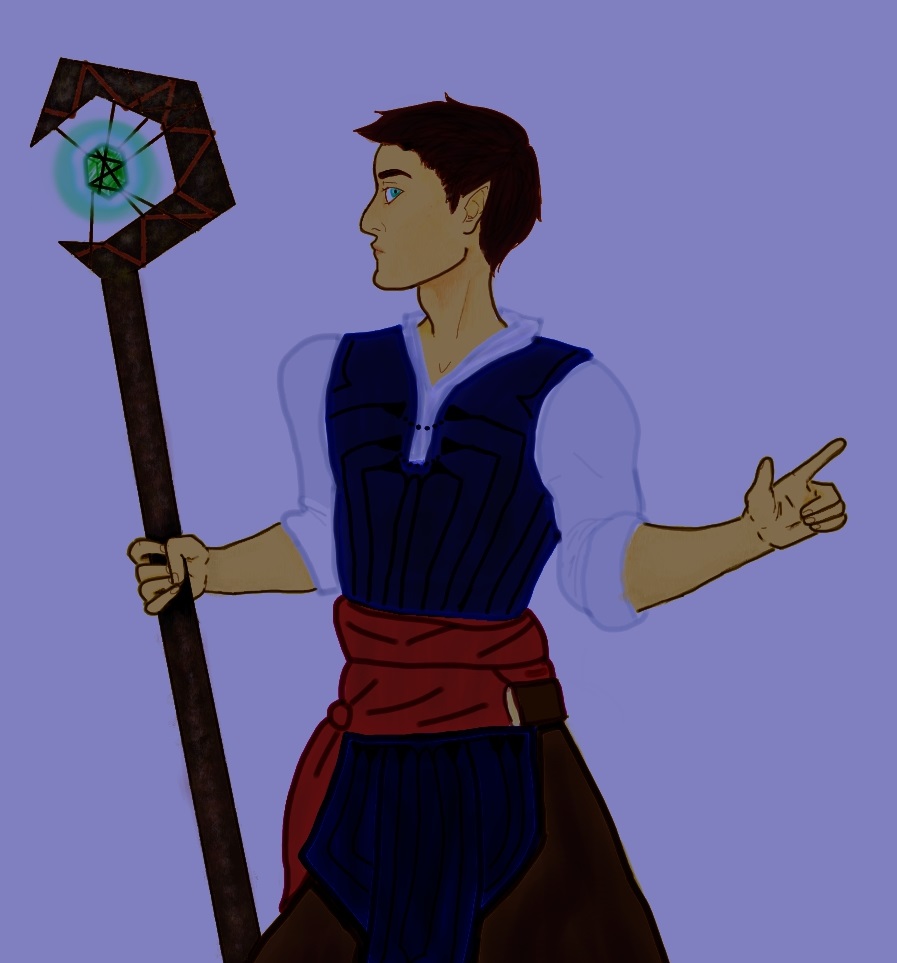
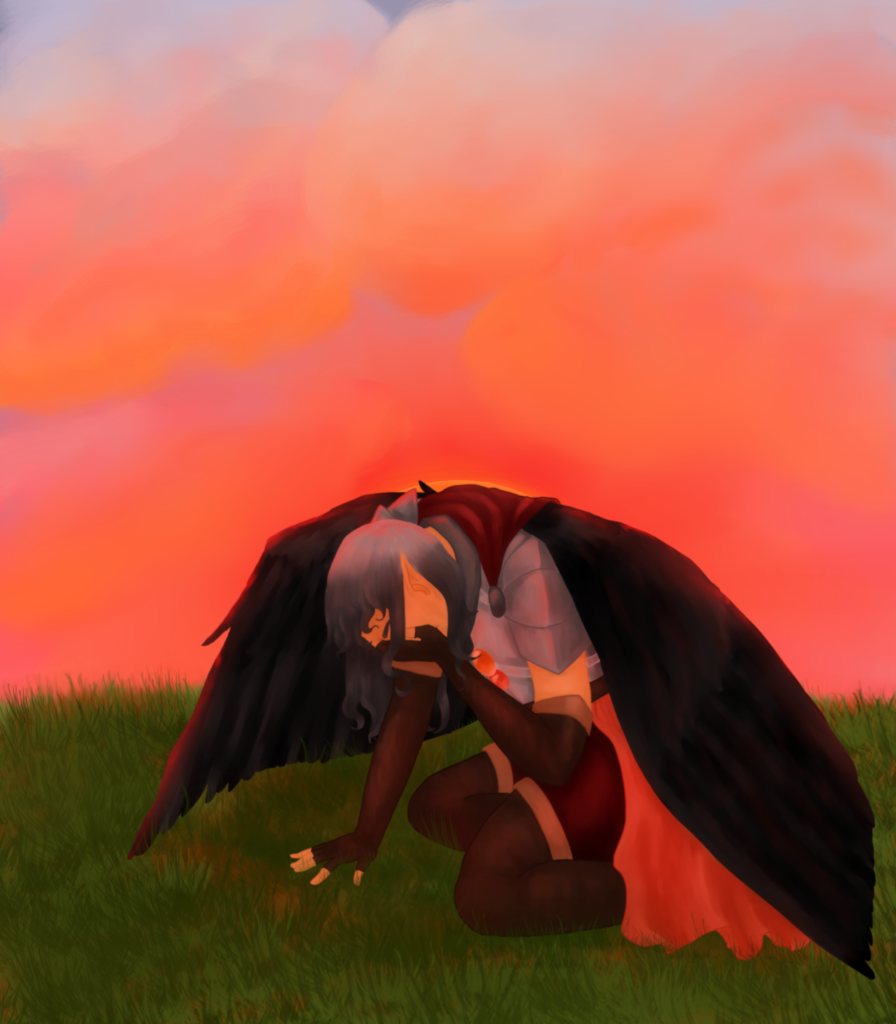
I had trouble choosing which pieces to share for this collection. A lot of the art I’ve created that I was really proud of was done with a traditional format, and pictures I take of these pieces never turn out how I want–erased markings showing, or a glare from the flash making it hard to see the line-art. So I decided to stick with my digital pieces, of which there are far fewer, and yet fewer still that I want to share. I also grappled with how to describe the art–should I stick with a description of what can be seen in the image, or should I offer the backstory and in-depth explanation of why the characters are depicted in each scene as they are. While I suppose that offering that extra context might have encouraged other potential artists or fans of these works to create their own interpretations of the source material, I ended up deciding on a simple visual description. Any explanation I gave to the deeper context would not do the characters and their backstories justice–and for the completely original ideas and characters, there was not much context to give beyond “I had an idea for a drawing.” If viewers have any questions about the pieces, they can find further details through the link to my “Adigha Arts” Instagram account, as each of these pieces and more are posted with descriptive ramblings about each one (which I decided against including in the Omeka site since they are far too informal for this medium, in my opinion).
This collection is just one hobbyist artist’s works, but imagine what it would be like if more amateur and novice artists could have their work collected and displayed? Not only would many people–artist or not– want to see these pieces displayed, but it could also inspire many others to start creating their own art. It would be like Instagram for artists without the pressure of monetization; they could just create their artwork for the sake of the artistic process and enter them into the repository to show their hard work and the journey their art has taken. Of course, this could only work so well for some mediums. Not everything translates well being transferred into a digital format. Obviously there is no issue with digital art, but even with drawings it can be hard to get a good image that captures all the details from the original picture. There are also many sculptures or interactive creations people may make that would be hard to show off digitally. However, we should not let this stop us from creating digital repositories for items that can be shared virtually. It could make it easier for museums to share their resources and collections if the ability to share them digitally is offered. They could work together to create interactive exhibits by digitally combining collections, or work with one another to create traveling exhibits that introduce digital or virtual aspects like augmented or virtual reality. Instead of being limited by physical distance, museums (and other organizations like libraries and archives) can work together to show the public exhibits never seen before. Archivists could work to digitize items for museum exhibits that are otherwise too fragile to be shown, museums could create exhibits of recreations that visitors can pick up and feel, museums can pool their resources to create larger exhibits that reach more visitors than they could if they were physical rather than digital. In this new age of technology, it is increasingly plausible to share information with vast amounts of people that were inaccessible before, and that will only increase as more people are able to get reliable internet access.

Leave a Reply
You must be logged in to post a comment.