Click image to view linked record
| Antiques Shop Sign: | 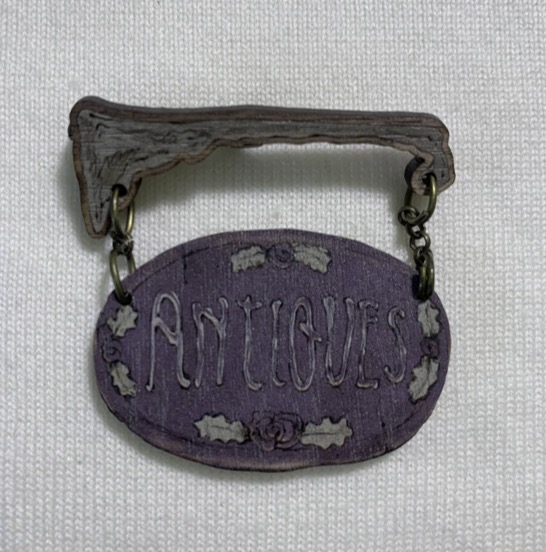 |
| Beloved Button: | 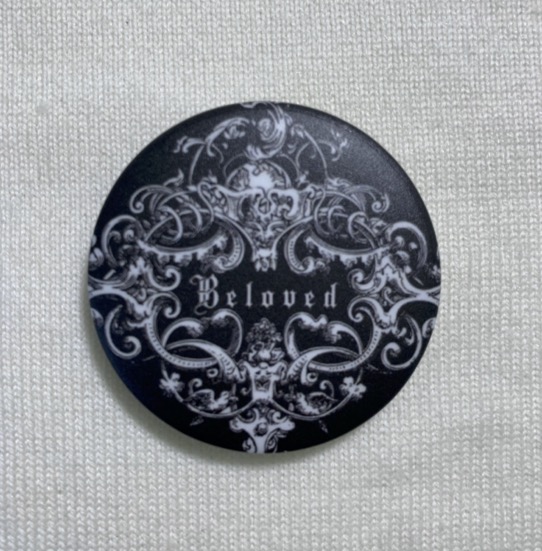 |
| Dorothy Rosette: | 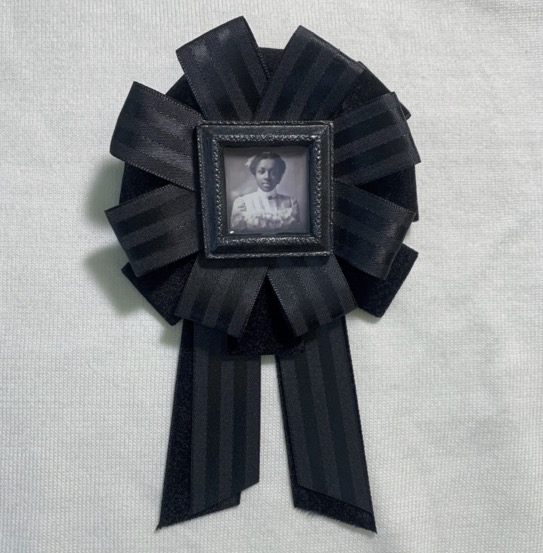 |
| Creepy Kitty Doggies Heart Button: | 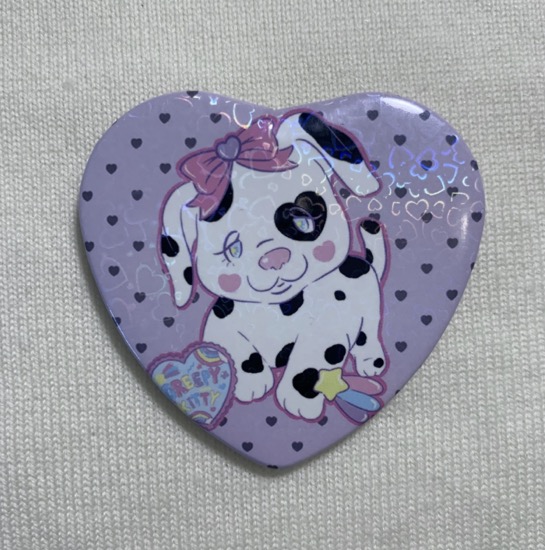 |
| Bouquet Bucket Hat Bow: | 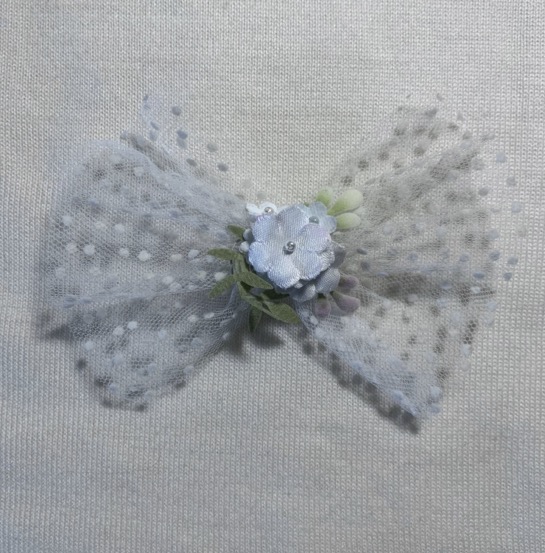 |
Which items did you add and how do they relate to each other?
These brooches are part of my personal jewelry collection. All of these items are inspired by kawaii culture and are made to be worn with Japanese subculture fashion (although only one of the brooches was made by a Japanese artist) They are all handmade or made in small batches. As a collector, I often use records created by other collectors to get inspiration for the types of things I want to acquire next, to find information about items I want to buy or sell on the secondhand market and to learn more about the evolution of subculture fashion through items made in the past. I thought it would be rewarding to try creating some formal records for these kinds of items myself.
What metadata fields did you use to describe your items? Why did you choose these metadata fields? What function does that piece of metadata serve? What information do you want your audience to take from that piece of information?
Title: I used the title given by the creator whenever possible.
Creator: I decided to use the artist’s screen name or brand name as anonymity and self-identification are important to many members of subculture.
Description: I described the decorative features of the brooches and the type of pin mechanism used.
Format: I included dimensions and component materials.
Is Part Of: I included applicable information if the brooch was a part of a series.
ID: I gave each of my items an ID number with my initials and included them in an item set so they would be identifiable as my entries.
I want the audience to have a fairly good idea of how each item looks and how it could be used or worn. I also want the audience to know information about each items’ origin such as their creator, series and the year the designs were released.
Address any challenges you faced in describing or selecting these objects. Are there other ways these objects could have been described? What would the impact of that difference be?
Originally I made records for a different part of my jewelry collection but was unsatisfied by my records because I did not have clear creator, dates or rights information. The main reason was that although I was documenting pieces which I personally found to be charming, some the items were mass produced for major retailers who did not provide much information about how the items were made. I decided that my records would be richer and more rewarding to make if I only focused on items collected from indie fashion brands and artists. I have recently begun collecting brooches with more of an eye toward unique pieces and with a greater appreciation of fashion as art. So, my brooch collection better suited the needs I had for the types of records I thought were worth creating and sharing. I imagine that my experiences have been similar to a museum whose collecting goals have changed. I am happy that I picked a set of items that I think are of interest to a real audience of people even if that audience is only the niche interested in the same type of fashion as I am.
A smaller issue I had creating the data was deciding where to include the type of pin mechanism used on each brooch. I considered using “format” because I thought that the information might fall under the concept of a “medium” as the pin is the sort of base or canvas for the rest of the brooch. However, I determined this stretched the idea of “medium” too far and so I decided to treat the pin mechanism the way the verso of other art forms may be recorded; I include the pin type in the “description” instead. I think this choice made my metadata more easily interpretable to the audience.
What new types of audience interaction could exhibits like these facilitate?
How do you see museums collaborating in light of these new technologies?
Digital exhibits democratize and make accessible various kinds of items to be recorded and shared. The items in my collection have a niche audience with a less stable market or support system than other branches of fashion. Kawaii culture centers non-western, non-english-language, feminine and rebellious art which limits its global appeal. Many of the legacy influential Japanese subculture brands founded in the 1970s, 80s and 90s began as very small brands selling to a very limited audience. The few records kept of those legacy brands’ earliest pieces are now being crowdsourced by dedicated collectors in the internet age. Conventions and meet-ups are an important part of the culture but it is largely spread and preserved online. This reliance on the internet is always increasing in fandom and niche communities. For cultural networks that exist online, it would be natural to share a digital exhibit like mine online to reach the most of its audience and to provide resources that may be cost probative or simply lack interest or support in physical space. This would also a wider range of experts and communities stakeholder to provide input or assist in creating exhibits.
For a humorous hypothetical, at Disney World in EPCOT’s Bijutsu-kan Gallery, a show called “Kawaii: Japan’s Cute Culture” is being exhibited. A few members of kawaii subcultures who have visited have noted that one mannequin is wearing a particularly inadequate, deflated petticoat under her skirt. With an online exhibit, the critiques of visitors may have been addressed more directly by EPCOT, or actual photos of street fashion may have been used in the mannequins place. The digital exhibit format could provide more interaction and flexibility in how an exhibit is constructed.

Leave a Reply
You must be logged in to post a comment.